

Audio By Vocalize

In Kenyan newsrooms, women are telling the country’s stories while quietly navigating the pressures of their own workplaces, a new report shows.
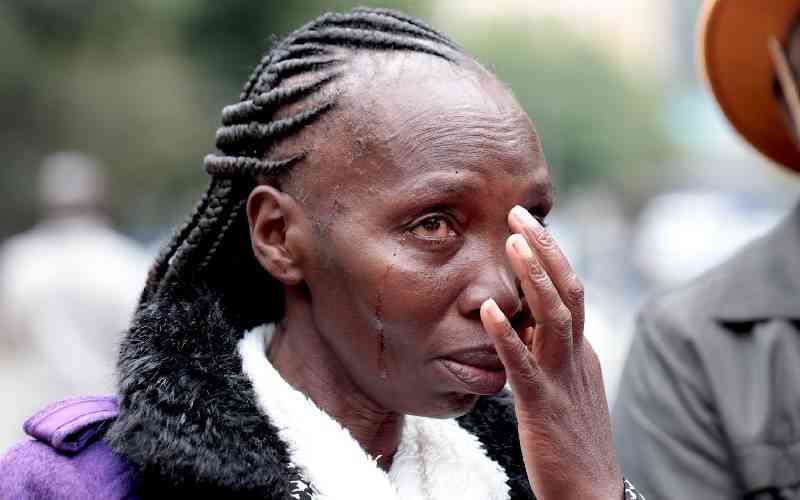
A new report by the Association of Media Women in Kenya (AMWIK) reveals that sexual harassment remains a persistent issue, shaping not just how women work, but whether they stay in the profession at all.
Nearly 38.7 per cent of women journalists identify sexual harassment as a major concern, with incidents reported in both managerial and peer relationships. The report says the cases reflect a broader pattern of slow institutional response and a workplace culture that often discourages reporting.
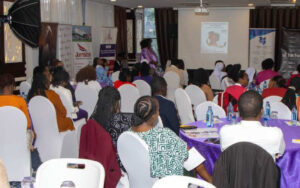
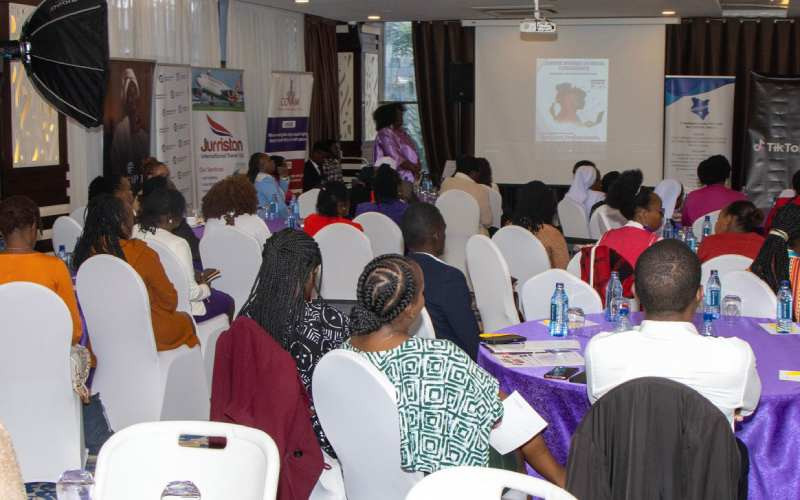
“Challenges such as workplace harassment, pay disparities, unsafe working environments, and inadequate institutional support systems continue to undermine their professional growth and wellbeing,” said AMWIK Executive Director Queenter Mbori at the report’s launch.
The findings also point to high turnover among women in the media sector. Kenya’s media industry continues to attract young, highly educated women, yet struggles to retain them.
According to the report, 58.5 per cent of women journalists have five years of experience or less, with a sharp drop in retention as careers progress. Only 13.2 per cent remain beyond 15 years.
Mbori noted that “it is very clear that the journey for women in media is still marked by persistent structural and systemic barriers that limit their full participation and advancement.”
Despite relatively high education levels, many women remain concentrated in entry and mid-level roles, with limited access to leadership positions. Only 3.7 per cent hold senior editorial or management roles, while 2.8 per cent are media owners.
Workplace inequality also affects morale, with 61.8 per cent of respondents reporting reduced motivation due to unequal treatment. More than 64.8 per cent say they have experienced safety or security breaches while working.
Online harassment is also a growing concern, with 33.4 per cent reporting stress linked to digital abuse and 20 per cent acknowledging self-censorship as a result.
The report further identifies age 34 and above as a critical exit point, with many women leaving the industry due to burnout, rigid work structures and limited support systems such as childcare.
“These barriers contribute to high attrition rates, especially at mid-career levels, weakening the leadership pipeline for women in media,” said Mbori.
Echoing her sentiments, Kenya Editors Guild President Zubeida Kananu called for structural reforms, including stronger policies and fair pay systems, to improve retention and advancement. “We must create systems where women are supported through our policies, structures, and even pay,” Kananu stated.
FNF Senior Programmes Manager Judie Kaberia added: “We are not here to be given a soft landing. Work hard. Deliver!”
Despite the challenges, the report also highlights that women remain central to Kenya’s media landscape, and that lasting change will depend on building safer, more equitable newsrooms where they can thrive.
Stay informed. Subscribe to our newsletter