





Audio By Vocalize

A fresh wave of protests is looming in the country, with Gen Z activists mobilising both online and on the streets as fuel prices surge to record levels, deepening Kenya’s cost-of-living crisis.
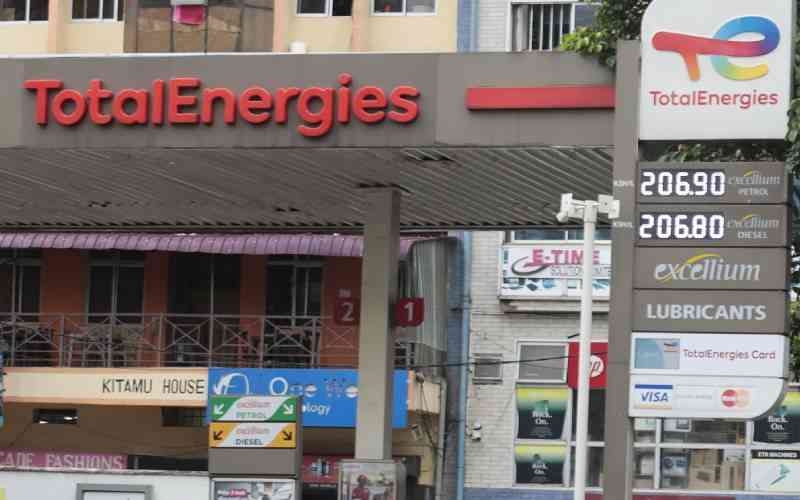
The renewed calls for demonstrations come just a day after the latest fuel price review pushed petrol to about Sh206.97 per litre and diesel to Sh206.84.
The increase has sparked widespread outrage, particularly among young Kenyans who are once again turning to social media to organise resistance.
The impact is already being felt across key sectors, with public transport operators leading the charge in adjusting to the rising costs. Ena Coach announced fare increases of up to Sh200 for routes to Western Kenya and Sh500 for Mombasa, citing higher operational expenses.
“Following the recent fuel prices review announced by the Energy and Petroleum Regulatory Authority, we have undertaken a careful operational assessment and implemented a necessary adjustment to our fare structure to sustain service quality across all routes,” the company said in a notice.
In major towns, matatus have also increased fares by at least Sh20, placing an additional strain on commuters already struggling with tight budgets.
Online platforms have been flooded with concern, with many warning that the fuel hike will trigger a ripple effect across the economy.
“We cannot be silent while the cost of living skyrockets,” one Gen Z activist posted, calling for mass action in the coming week.
The movement echoes last year’s protests against the Finance Bill, where youth-led demonstrations sparked national conversations about taxation and economic policy.

This time, fuel prices have become the rallying point, symbolising a broader struggle with rising living costs.
For many Kenyans, as fuel costs rise, so do transport fares, food prices, and the cost of basic goods, squeezing already strained household incomes.
“This means choosing between fuel and food,” another user lamented.
Part of the anger stems from comparisons with neighbouring countries such as Tanzania and Uganda, where fuel prices remain significantly lower.
“Why are we paying more than our neighbours yet incomes are lower?” posed another user, echoing a widely shared sentiment.
Stay informed. Subscribe to our newsletter
Former Law Society of Kenya (LSK) Faith Odhiambo attributed the disparity largely to Kenya’s tax structure, noting that taxes and levies make up a significant portion of fuel costs.
“The ripple effect of surges in fuel prices on overall market dynamics places an obligation on the government to make concessions to cushion consumers,” she said.
Although the government recently reduced VAT on fuel from 16 percent to 13 percent, many Kenyans say the relief is minimal compared to the overall increase.
“Fuel prices go up like a rocket but rarely come down,” one activist wrote.
In urban centres, long queues have formed at petrol stations as motorists rush to beat the new prices, reflecting growing anxiety.
For many small traders and workers in the informal sector, the situation is becoming untenable, with fears that rising costs will erode already thin margins.
Former Law Society of Kenya President Faith Odhiambo attributed the difference largely to Kenya’s tax structure.
“The taxes and levies charged on fuel in Kenya constitute about 80 percent of the actual cost of the product itself. The ripple effect of surges in fuel prices on overall market dynamics places an obligation on the government to make concessions, when necessary, to cushion consumers from global spikes in prices,” said Odhiambo.
Although the government recently reduced Value Added Tax (VAT) on fuel from 16 percent to 13 percent in a bid to ease the burden, many Kenyans say the relief has been minimal.
“The increase announced by EPRA indicates tone-deaf leadership that ignores the plight of the people. This is when the role of parliamentarians and oversight must be activated. The pain of wananchi must never go unrecognized or unresolved. This is unsustainable. Fuel is now a luxury,” Odhiambo commented on X.