
Audio By Vocalize

Civil society organisations have called on African leaders to rethink governance, economic transformation and the continent’s place in the global economy, arguing that Africa’s vast wealth has yet to translate into prosperity for the people.
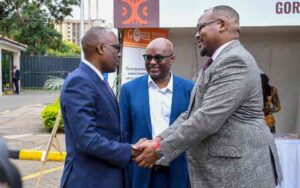
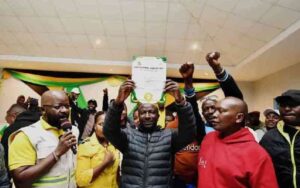
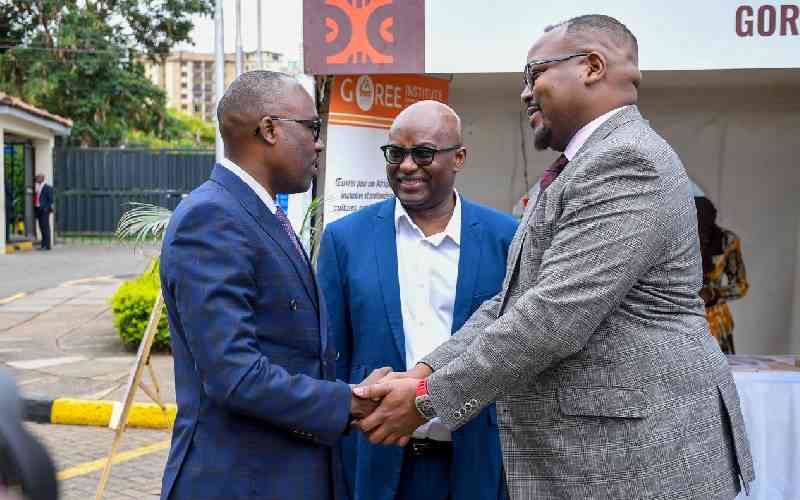
Speaking during the Social Innovation Pavilion Summit, a pre-summit event for the civil societies, representatives from CSOs across Africa, they said Africa remains poor despite being home to the world’s youngest population, abundant natural resources and cultural diversity.
The pre-summit gathering brought together more than 100 civil society organisations from across the continent to formulate recommendations for African leaders attending the Africa Forward Summit in Nairobi.
The organisations drawn from various sectors also listed protection of human rights, regional security and Artificial Intelligence as key priorities that must be addressed during the summit.
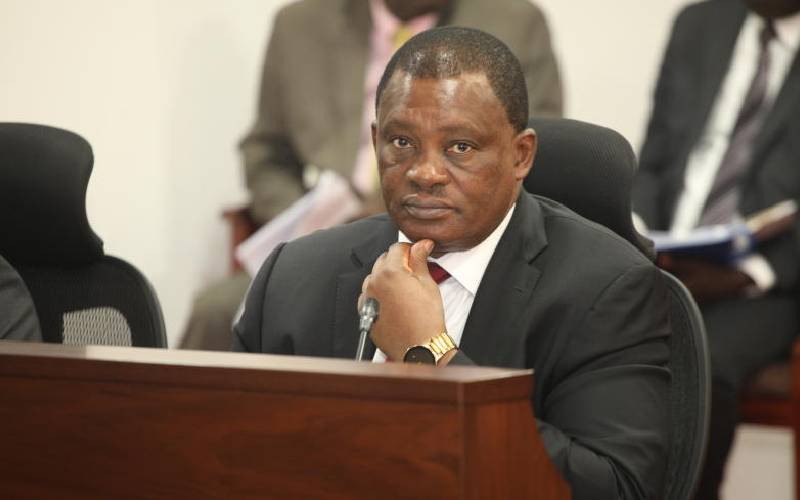
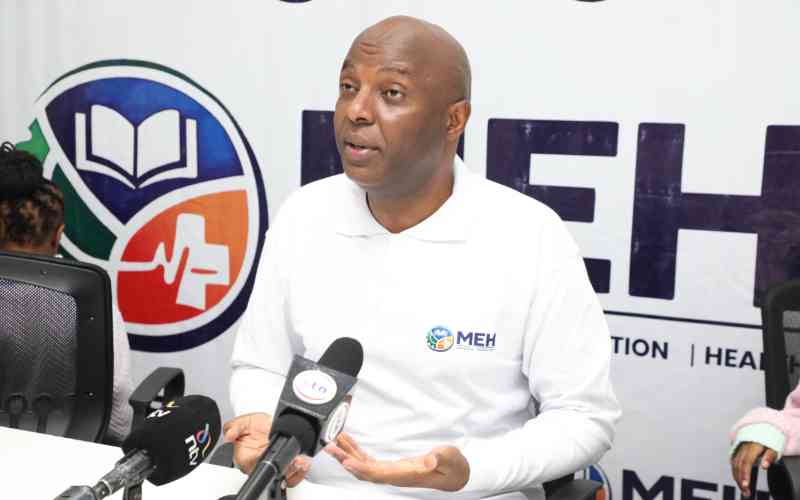
“Africa has the youngest population in the world, the most diverse continent, with all the minerals that you can think of. How come that has not translated into wealth and dignity for its people and all the societies?” Posed ICJ Executive Director Demas Kiprono.
Kiprono, who represented civil society organisations from Eastern Africa, said governance and accountability must go hand in hand across the continent.
The summit, convened by the Innovation Foundation for Democracy, is expected to culminate in the presentation of a 60-point-agenda white paper to the 39 Heads of State expected to attend the two-day summit.
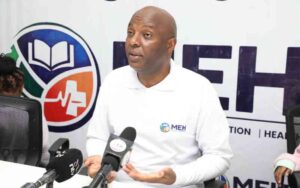
Director General of the Innovation Foundation for Democracy Achille Mbembe said the document outlines a roadmap for addressing governance and democracy challenges facing the continent while also proposing implementation timelines and accountability mechanisms.
Prof Mbembe said African countries are currently grappling with emerging governance challenges that threaten democratic gains across the region.
He said on Monday, when President William Ruto hosts French President Emmanuel Macron, civil society organisations will formally present the recommendations to the summit.
“The white paper is composed of 60 propositions which have been studied, canvassed and formulated by experts and discussed by various communities and organisations. We will present them to the heads of state in the hope that they will take them into account in formulating public policies,” said Prof Mbembe.
The proposals touch on inclusive governance, the rule of law, health systems, mineral resources, human rights, regional cooperation, technology and maternal and child health.
“We are looking at ways in which our continent Africa can remain autonomous and use its natural resources, use technology for the service of its people and do it inclusively based on models engineered by ourselves throughout time,” he added.
A major theme that emerged from the pavilion discussions was growing dissatisfaction among African youth over governance failures, exclusion and limited economic opportunities despite decades of democratic transitions across the continent.
Stay informed. Subscribe to our newsletter
Civil society groups also challenged the nature of politics and elections across Africa, arguing that democratic processes have largely become divisive contests driven by ethnicity, identity and money rather than ideas and development agendas.
“We have institutions that have been set up by constitutions. We have elections. But we are saying that elections should not be an event that only transfers power,” Kiprono said.
He noted that elections in many African countries have become “zero-sum events” where citizens identify candidates based on ethnicity or resources instead of policy proposals and transformative ideas.
The CSOs also raised concerns over Africa’s position in the global technology ecosystem, arguing that although the continent supplies critical minerals powering modern technologies, Africans continue to benefit the least from the digital economy.
“How does technology, as we digitise, as we put in digital public infrastructure, ensure that lives are transformed here in Africa?” Kiprono posed.
The pavilion further called for stronger intra-African cooperation and trade, with participants urging governments to prioritise regional economic integration to retain wealth within the continent and to and reduce dependency on external markets
“How can Africa cooperate amongst itself? How can we trade more amongst each other to ensure that we are not sending our money outside, that we are enriching ourselves?” he said.
“We are saying that all our politics, all our minerals, technology should work for the people and not just work for the global arena without benefiting us,” he said.
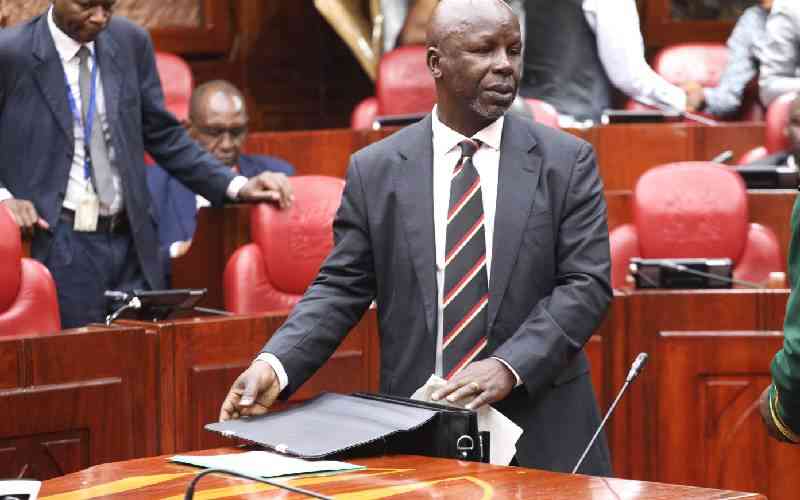
Foreign Affairs Principal Secretary Korir Sing’oei said the government was keen on incorporating the views of civil society into discussions at the main summit.
The PS also called on civil society groups to continue engaging political actors, mobilising citizens to participate in elections and holding governments accountable after elections.
“Civil societies are an important partner, and part of what they need to do is to formulate concrete ideas that they can share with political parties,” he said.
“They can play a role in terms of mobilizing citizens to register to vote, to participate in the debates and the engagement that precede the election, and following the election to hold governments to account,” Sing’oei said.