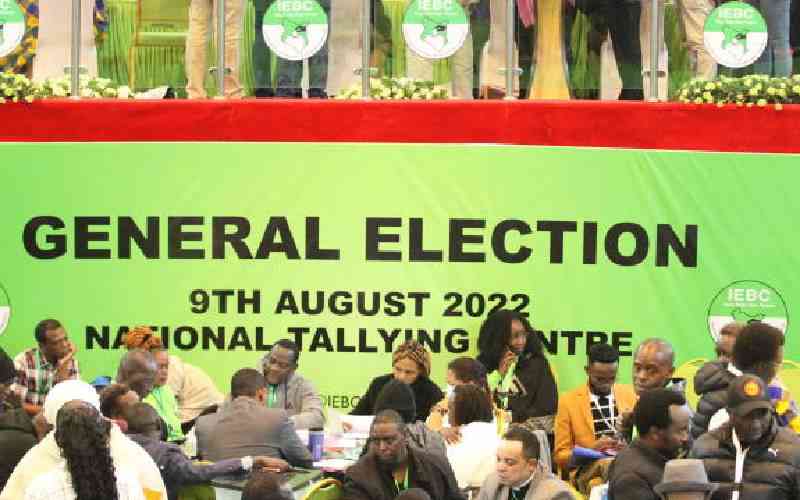




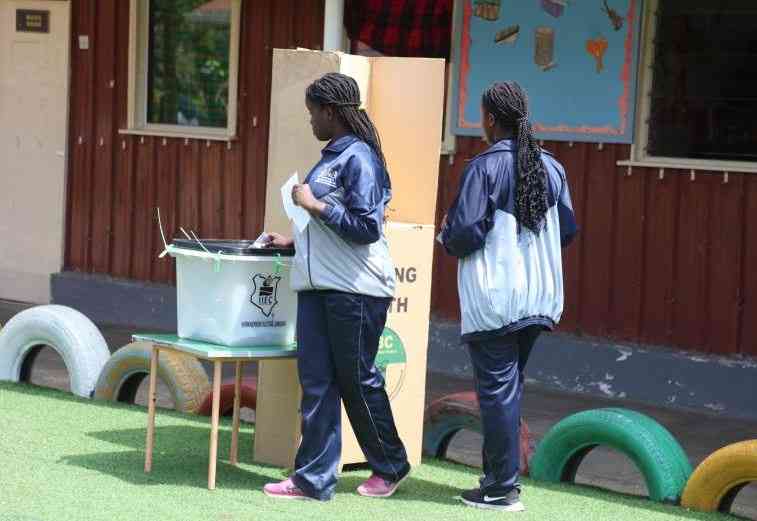
The youth have been challenged to take an active role in the running of the country by voting and seeking leadership positions.
This was emphasised during the launch of a national youth manifesto dubbed ‘Manifesto Yetu’ at the Catholic University of East Africa where it was revealed that young people hold less than 7 per cent of the country’s elective positions despite making up 75 per cent of the population.
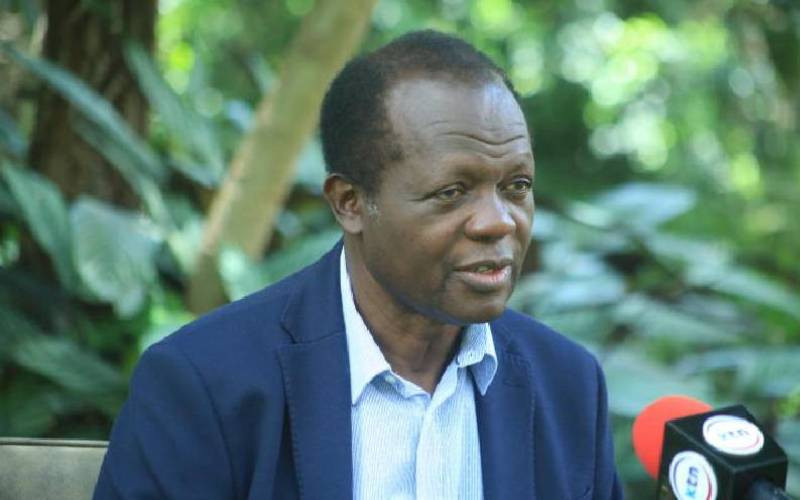
Former Makueni Governor Kivutha Kibwana, who was the chief guest during the launch, said that Kenyan politics operates in cycles with politicians paying attention to the youth during campaigns then ignoring them until the next general election.
“The 2022 promises exemplify this with Kenya Kwanza pledging 1 million jobs annually, but by 2025, only 20 per cent of the 800,000 annual jobs market entrants were securing formal employment. The hustler fund promised Sh50 billion for affordable loans became a symbol of disappointment with Sh500 disbursements leading to Sh11 billion in defaults,” said Prof Kibwana.
The former governor, who is celebrated for exemplary performance during his 10 years’ leadership, said youths normally get tokenism even during appointments to boards and committees, lacking real decision making power or control over budgets.
Kibwana noted that the Manifesto Yetu shifts the framing from youth electoral assets to youth as permanent stakeholders providing a reference document that remains relevant throughout the entire political cycle and not just during campaigns.
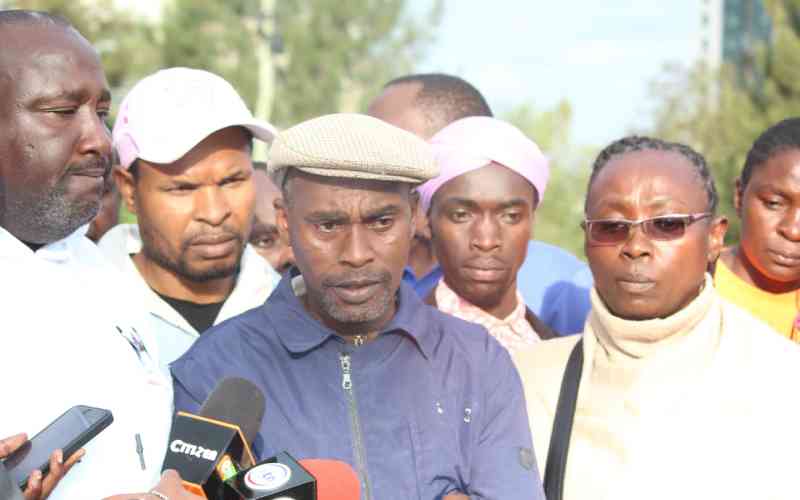
Kidi Mwaga, the convenor of the Manifesto Yetu termed it a bold, youth-led initiative born from a new generation of politically awakened Kenyans who refuse to remain spectators in their own future, grounded in a commitment to constitutionalism, human dignity, social well-being, and national security.
“We step beyond the long-standing barriers that have limited meaningful youth participation to declare our interests, our agenda, and our vision for a Kenya that works for all. What makes Manifesto Yetu historic is how it was built not in offices, but on the ground,” said Mwaga.
Mwaga said that through one of the most extensive youth consultations in Kenya’s history, the coalition engaged more than 1,200 youth representatives drawn from networks representing over 400,000 young Kenyans.
He said that this was achieved through eight regional forums, stakeholder dialogues with creatives, workers, student leaders and political parties’ youth, as well as the Youth Devolution Festival, which brought together over 2,000 participants from all the 47 counties.
Meg Muchoki, the Manifesto Yetu co-convenor, said that across all markets, halls, farms, informal settlements and creative spaces, the message was consistent that young people want a Kenya that works and leaders who listen.
“Despite frustrations, young Kenyans still speak with remarkable hope and patriotism and they understand the challenges and the solutions. They are not seeking charity, but partnership, not tokenism, but accountability, not promises, but opportunities that reflect their lived realities” said Muchoki.