


Audio By Vocalize

A Parliamentary committee is seeking a review of the country’s mining revenue-sharing framework in a bid to increase the share allocated to local communities.
Lawmakers sitting in the National Assembly’s Delegated Legislation committee want the proposed Mining Mineral Royalty Sharing Regulations 2026, which seek to operationalize how proceeds from the country’s extractive sector are distributed, updated to reflect the realities of host communities in areas where minerals are sourced.
The current formula, anchored under the Mining Act, stipulates that 70 per cent of royalties should be disbursed to the national government, 20 per cent to county governments, with only 10 per cent going to local communities.
But on Tuesday, the MP Samuel Chepkonga-led House team faulted the regulations, terming the current formula as “inequitable” and emphasising the need to ensure that host communities get a larger share of the royalties.
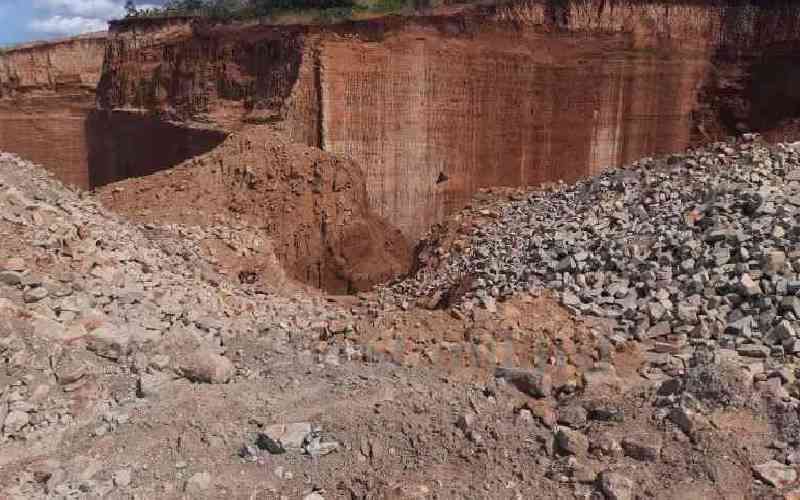
This, they said, was premised on the fact that they have to endure negative impacts of the mining process, including environmental degradation, displacement, and health risks, yet they receive fractional benefits.
The issue came up during Mining, Blue Economy, and Maritime Affairs Cabinet Secretary Hassan Joho’s appearance before the committee.
Samburu County Woman Representative Pauline Lenguris sought to know why the current proposal favored the government taking a lion’s share of the profits, much to the chagrin of host communities.
“Everything from the discovery of the minerals to the impact assessments is done in the counties. I think this framework should be reversed to ensure that counties get 70 per cent of the royalties,” said Lenguris.
“Minerals are found on community land, and it is the people who suffer the consequences of extraction. We cannot sit here and legalise unfairness,” she reiterated.
Committee chairperson Samuel Chepkonga expressed concern that the regulations had not addressed how natural minerals located across county borders would be distributed.
He also warned that the current distribution model risks sidelining communities that are directly affected by mining operations.
CS Joho defended the formula, noting that it is already provided for under the Mining Act and could only be changed by reviewing the Act, not just the regulations.
He was insistent that the regulations are aimed at streamlining the disbursement process by ensuring “the communities receive their 10 percent more efficiently and effectively.”
“Historically, delays in releasing funds have meant that some communities waited years before seeing any benefit from mining revenues. The new regulations aim to address this by establishing clear mechanisms for collection, allocation, and oversight,” said Principal Secretary Harry Kimtai, who had appeared alongside the CS.
The House team also heard that the disbursements have been benefitting communities and that the Ministry had ensured the implementation of initiatives such as corporate social responsibility programmes, local content requirements, and a separate 1 per cent gross revenue allocation for community development agreements.
Stay informed. Subscribe to our newsletter
Kimtai held that, taken together, the contributions surpassed the 10 per cent royalty share and amounted to “a substantial investment in local development.”
The committee was, however, not convinced, highlighting that the complementary benefits, such as the Corporate Social Responsibility programmes, were insufficient and did little to rectify the negative impacts of mining.
“The sharing of royalties is not voluntary. It is backed by law, and the interests of the communities from mining areas should be looked at fairly,” added the chairperson.