


Audio By Vocalize

A bill seeking to stop hospitals from detaining bodies over unpaid bills is now before a departmental committee of the National Assembly.
The Bill is also seeking to authorise hospitals to offer patients emergency treatment without asking for upfront payments.
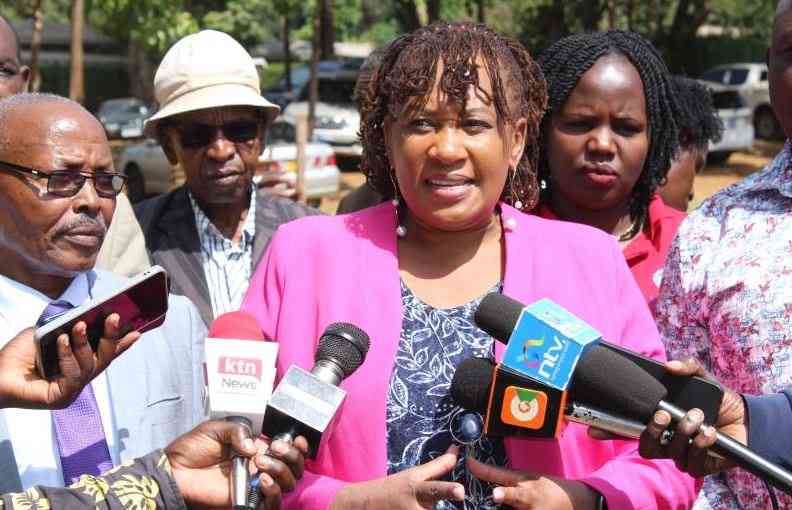
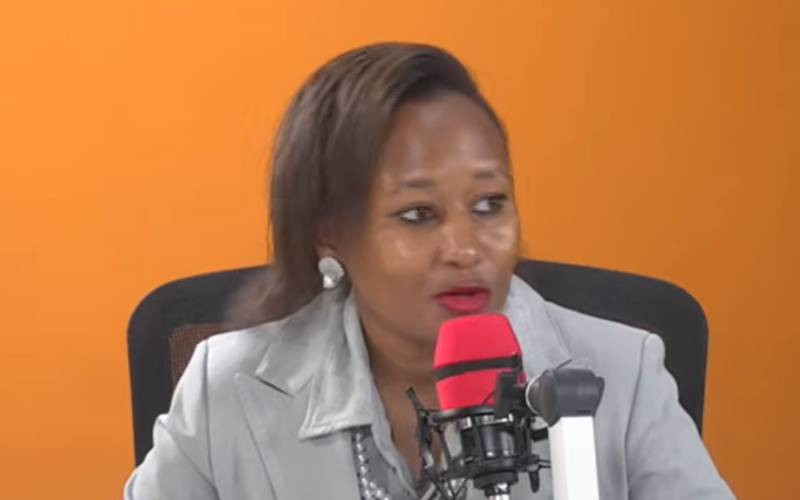
The private member’s bill “Care First, Pay Later” sponsored by Kirinyaga Woman Representative Njeri Maina If enacted, could significantly reshape Kenya’s healthcare accountability framework, placing human dignity and emergency response above financial demands.
The proposed law seeks to criminalize the refusal to admit emergency cases on grounds of non-payment.
It also seeks to reinforce court precedents that have repeatedly ruled against the detention of bodies in mortuaries due to pending bills.
“The conversation has plunged a lot of people into distress and turmoil. One of the things that bothers many Kenyans today is that you cannot be admitted in hospital before payment. That is the rationale behind the Bill,” Maina said.
https://www.youtube.com/watch?v=0lFHOSsfv8Y
Under the Bill, any hospital administrator who refuses to admit an emergency patient before payment commits an offence and risks a fine of up to Sh3 million and some MPs proposed it could be increased.
“If you demand prepayment before administering critical emergency care and someone dies while waiting to raise funds, then what was the point of seeking care?” Maina posed.
The Bill currently targets public hospitals, though several MPs have indicated they will push amendments to rope in private facilities.
“Members intimated they will recommend further amendment to ensure it covers both public and private facilities. The private should also be liable if they do not provide emergency care,” she said.
On the detention of bodies, Maina pointed to clear judicial precedents.
“Hospitals are not gazetted detainment facilities. Every Kenyan has a right to dignity, and that right does not abate upon death,” she said.
Courts have consistently ruled that hospital bills are civil debts recoverable from a deceased’s estate, not through holding bodies hostage.
Maina acknowledged concerns from hospitals about financial sustainability but insisted there are lawful ways to recover debts.
Stay informed. Subscribe to our newsletter
“It is a matter of can’t pay, not won’t pay. If a family cannot pay, even auctioning them will not raise money. Hospitals have civil legal means to pursue debts.”
The legislator revealed it took three years to push the Private Member’s Bill to the floor.
“I had to defend it through committees about ten times, reduce clauses, agree on wording and engage lobby groups. Private Member’s Bills are not given priority,” she said.
“This is a human issue. It is not about political affiliation. As MPs, we attend harambees to raise medical funds. It boils down to how far we can go to protect our people.”