


Audio By Vocalize

From dominating world sporting scenes with their athletes winning titles and marketing the country, Kenya is now slowly but surely positioning itself as a sporting destination.
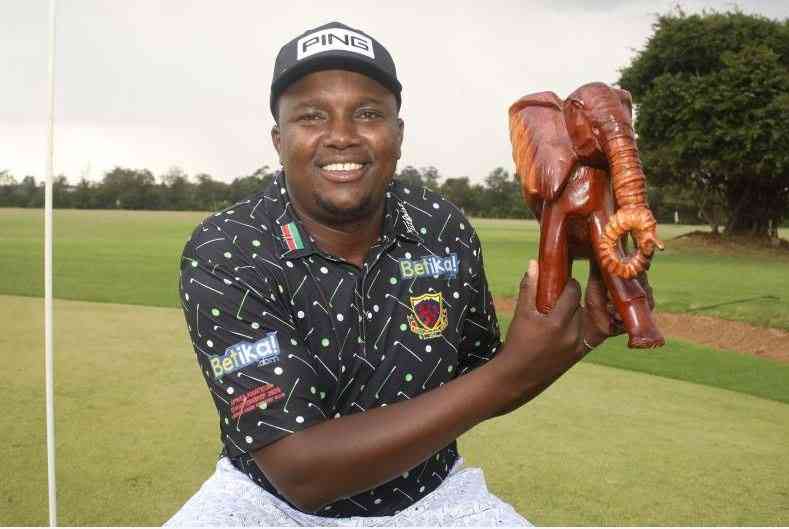
Barely a week after hosting a historic HSBC SVNS Division Two leg at Nyayo Stadium in Nairobi, the nation will once again be on the global map as the capital city stages the 57th edition of the Magical Kenya Open (DP World Tour) at Karen Golf and Country Club this weekend. This will be followed by WRC Safari Rally in Naivasha next month (March 12-15).
Last year, Kenya together with Uganda and Tanzania successfully co-hosted 2024 African Nations Championship (Chan) which was used as a dry run for the 2027 Africa Cup of Nations (Afcon) to be staged by the three East African nations. The first ever premier football continental showpiece to be hosted in the region will be held between June and July.
Apart from the excitement and celebration amongst sports enthusiasts, the events have always had a massive impact on the hosting nation’s economy. From transport to hotel and tourism sectors, the impact has been huge-before, during and after the tournament.
Through their spending and injection of money into the country’s economy, the foreigners (players, visiting teams, media and fans) leave some economic benefits to the locals thus creating a favourable climate for direct foreign investment and tourism growth.
The country is already experiencing some infrastructural changes with the construction of 60,000 seater Talanta Sports City Stadium and the renovation of Kasarani and Nyayo stadiums as well as the earmarked training facilities albeit at a snail’s pace ahead of the 2027 Afcon.
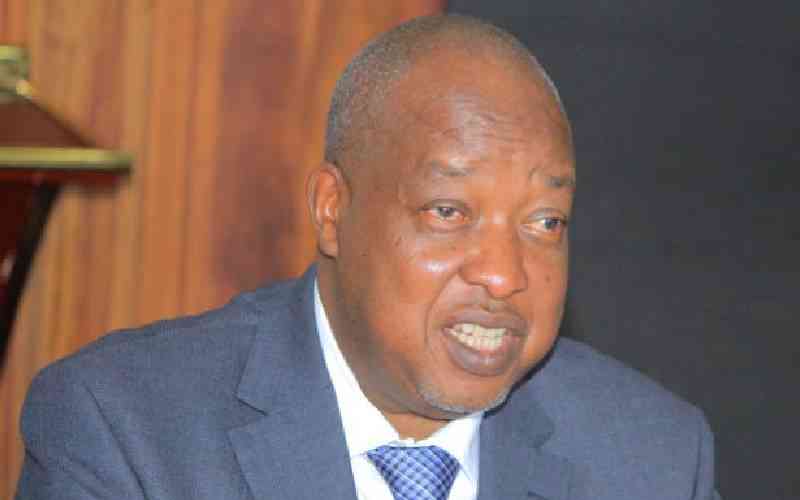
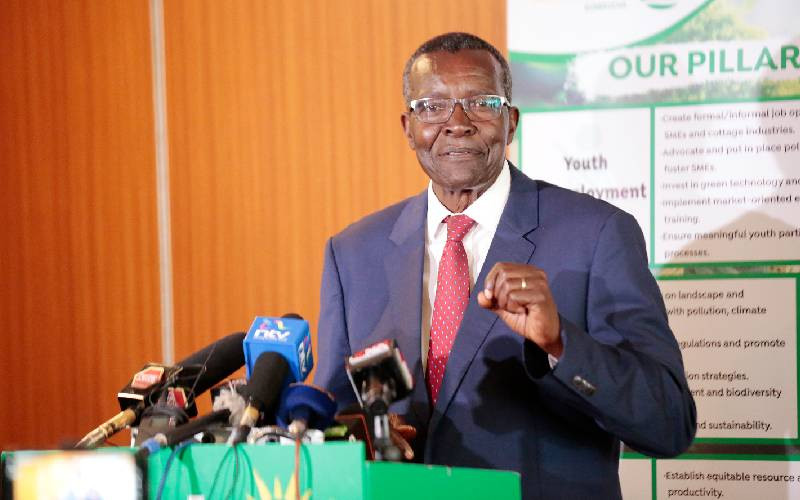
Director General of the Kenya Vision 2030 Delivery Secretariat (VDS) Kenneth Mwige says the country is deliberately hosting major events to strengthen its status as a global sports tourism destination.
“How could this be coincidental? This is absolutely deliberate. Well planned and executed from the start to the end. Sports is part of our national economic strategy. Whether it’s golf, motorsport through the Safari Rally, or rugby, we are positioning Kenya as Africa’s sporting capital. These events are connected by a long-term vision, not coincidence,” said Mwige.
Even as 144 players from over 30 countries battle for the Sh348 million prize purse whose eventual winner will pocket Sh62 million on Sunday, Mwige, says while the focus has shifted from simply hosting events to building systems around them, their athlete-first model is paying off.
In 2021 VDS sponsored 15 Kenyan and regional professional golfers at the Magical Kenya Open and Savannah Classic, committing Sh3 million. That saw Njoroge Kibugu—at just 18 years old—become the youngest and only Kenyan to make the cut at MKO the following year.
“Events create moments. Athletes create legacy. If a player is worried about travel costs or paying a caddie, his accommodation or other logistics, they can’t focus on performance. By providing stipends and structured bonuses, we allow them to think long term. Hosting tournaments is important — but producing champions is transformative,” he said.
“I believe that when you invest in athletes directly, you create accountability and measurable performance outcomes. It builds a healthier sports economy. We’re already seeing interest beyond golf.”
Asked how Kenya’s investment has strengthened the Magical Kenya Open’s place on the DP World Tour, Mwige said: “We are no longer just hosts. We are contributors to the tour’s competitive depth. When local players can realistically contend, the tournament gains authenticity and continental pride. The tournament should be a milestone, not a peak.”
Stay informed. Subscribe to our newsletter