

Audio By Vocalize

Doctors have backed a new injectable drug for HIV prevention, even as they raised a red flag over the sustainability of a rollout backed almost entirely by donor funding.
The endorsement comes at a time when global health financing is under severe strain.
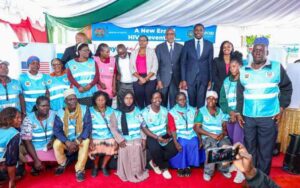
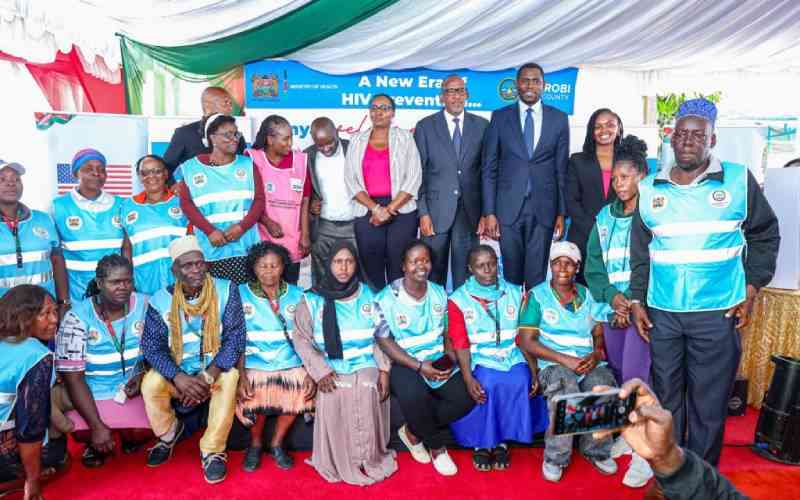
The Kenya Medical Association (KMA) threw its weight behind Lenacapavir on Thursday as Health Cabinet Secretary Aden Duale presided over the official launch at Riruta Health Centre in Nairobi.
The drug, administered twice a year, becomes the first of its kind to be rolled out in East Africa.
Kenya received 21,000 starter doses, supported by the Global Fund at a negotiated cost of approximately Sh7,800 per patient per year, a fraction of the drug’s original global price of about $28,218 (approximately Sh3.6 million) per person annually.
In a statement, KMA described Lenacapavir as a welcome addition to existing prevention methods but stopped short of an unqualified green light.
“Healthcare providers must carefully assess for potential drug–drug interactions, particularly with rifamycins used in tuberculosis treatment, certain anticonvulsants, ketamine and medications used for erectile dysfunction. These interactions may reduce LEN efficacy or increase the risk of adverse events, necessitating thorough medication history-taking before initiation,” the association said in a statement.
KMA also called for regular screening for sexually transmitted infections and hepatitis, warning that individuals with hepatitis B should be moved to oral Pre-Exposure Prophylaxis (PrEP) options rather than Lenacapavir.
The launch comes against a troubling backdrop: Kenya reported a sharp 19 per cent rise in new HIV infections in December 2025, with cases increasing to 19,991 in 2024 from 16,752 in 2023.
Forty-one per cent of new infections occur among young people below the age of 24.
Duale sought to draw a clear line on the drug’s purpose.
“Let me emphasise that this medicine is for those who are HIV negative. It must be stated clearly and emphasised that Lenacapavir is neither a vaccine nor a cure for HIV, and therefore we urge all those on treatment to continue their lifelong therapy,” said Duale.
The rollout targets key populations considered most exposed, including men who have sex with men, sex workers, people who inject drugs, prisoners and gender-diverse individuals.
A further 12,000 continuation doses are expected by April to ensure those who start the injections are not interrupted mid-course.
The initial 15 counties covered include Siaya, Homa Bay, Migori, Kisumu, Kisii, Mombasa, Nairobi, Machakos, Kajiado, Busia, Kiambu, Kilifi, Kakamega, Uasin Gishu and Nakuru.
Stay informed. Subscribe to our newsletter
KMA, however, pressed the government to move beyond donor dependence by mobilising local resources and negotiating drug prices to sustain the programme long-term, a concern that has shadowed the rollout since its planning stages, amid cuts to US-linked global health funding.
Lenacapavir was approved by the US Food and Drug Administration in June 2025 and later endorsed by the World Health Organisation through updated guidelines released in July 2025.
In January, the Pharmacy and Poisons Board completed a scientific review and registered both the oral and injectable formulations for local use.