




Audio By Vocalize

Cabinet has authorised the release of Sh4.1 billion to scale up drought response interventions as 3.3 million people face acute food insecurity.
The number could rise to 3.6 million by June 2026 without urgent intervention.
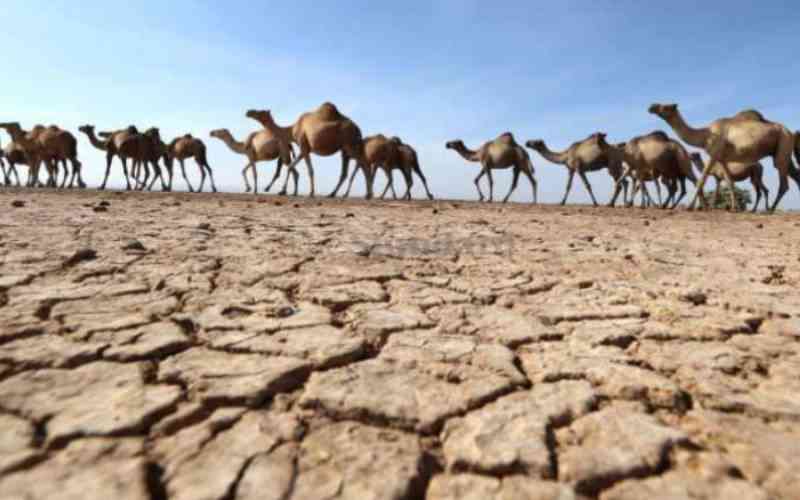
Drought conditions have deteriorated rapidly since January 2026 following the failure of the October-December 2025 short rains, which delivered only 30 to 60 per cent of the long-term average rainfall, marking the driest season since 1981 in parts of eastern Kenya.
https://www.youtube.com/watch?v=PD330xfd8w0
Mandera, Wajir, Kwale, and Kilifi counties are in the alarm phase, while 12 counties are in the alert phase, most of them on a worsening trajectory.
Acute malnutrition continues to rise, affecting over 810,000 children and 104,000 pregnant and lactating women, alongside other vulnerable groups.
The additional funding will supplement allocations made in December 2025 and January 2026, which supported relief food, logistics and limited non-food assistance.
Current stocks are expected to last only two to three weeks, underscoring the urgency of further support.
Cabinet raised concern over deteriorating livestock conditions, increased livestock deaths and distress sales, rising human-wildlife conflict and the risk of escalation into an emergency phase.
The funding will support relief food distribution, water provision for human and livestock consumption and non-food assistance across affected regions, including pockets of counties outside the arid and semi-arid lands (ASAL).
Kenya has experienced recurring drought cycles over the past decade, with the 2020-2023 drought among the most severe on record, affecting over 5.4 million people at its peak.
The country’s ASAL, which covers over 80 per cent of Kenya’s landmass and supports 36 per cent of the population, remains particularly vulnerable to climate shocks.
The failure of consecutive rainy seasons has become increasingly common, with scientists attributing the pattern to climate change intensifying extreme weather events across the Horn of Africa.
Previous drought interventions have included cash transfers through the Hunger Safety Net Programme (HSNP), water trucking, livestock support and emergency food distribution, though chronic underfunding has often hampered effective response.
The National Drought Management Authority (NDMA) monitors 23 ASAL counties, where pastoralist communities depend heavily on livestock for survival and are disproportionately affected by prolonged dry spells.
Stay informed. Subscribe to our newsletter