Audio By Vocalize
African editors have resolved to strengthen protection and the duty of care for journalists working in hostile political and security environments.
They also warned that growing threats against reporters are undermining independent journalism across the continent.
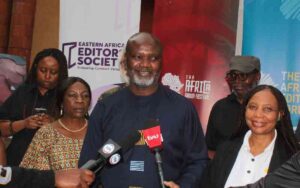
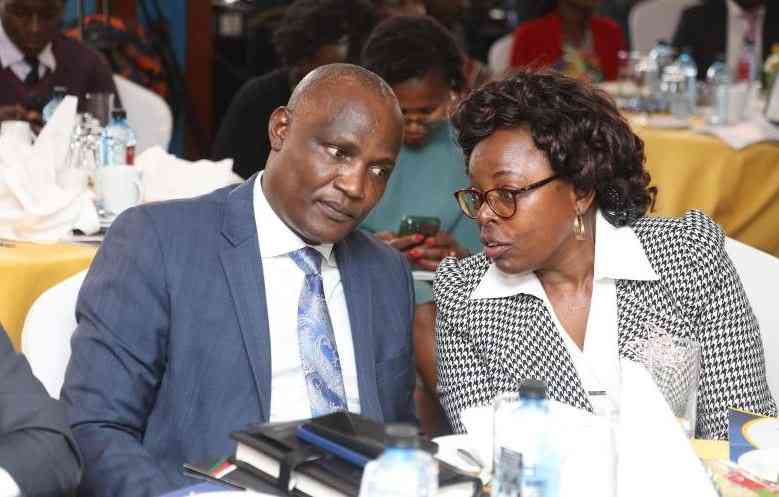
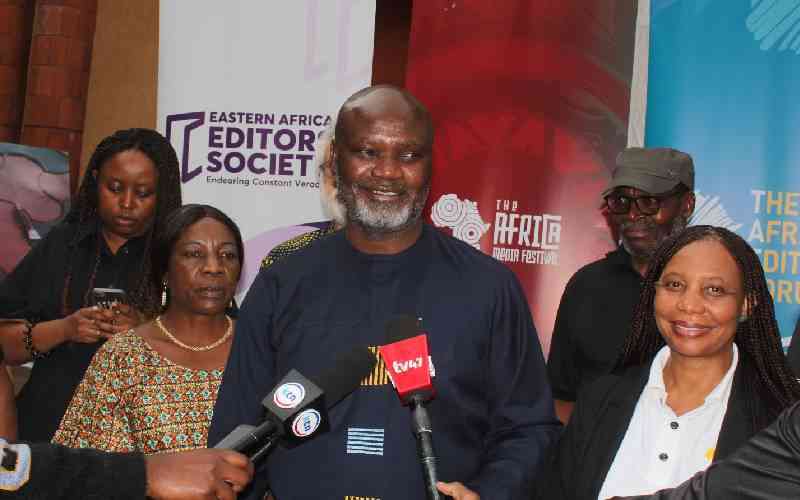
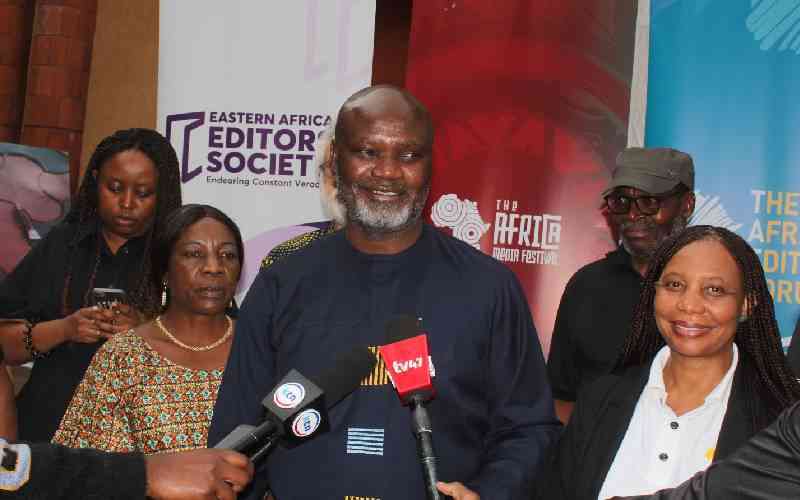
The commitment was made on Wednesday during the biannual general meeting of The African Editors Forum (TAEF), held in Nairobi.
During the meeting, Editors said journalist safety would now be treated as a core professional and institutional responsibility, not an optional newsroom policy.
The forum also condemned the increased attacks aimed at journalists and reporters across the continent, terming it an injustice and undermining the freedom of the press.
Speaking at the meeting, Sibusiso Ngalwa, Secretary General of the forum, said journalists across Africa were increasingly operating in environments marked by political hostility, legal pressure and insecurity.
“Journalists are being asked to do their work in conditions where the risks are obvious and growing. Duty of care means media organisations must take responsibility for preparing, protecting and supporting journalists before, during and after assignments, especially in hostile environments,” Ngalwa said.
They further demanded the Immediate release of all prisoners of conscience, especially journalists Borhan Bsaïess and Mourad Zghidi.
The Editors drawn from across all African countries agreed that media houses must strengthen risk assessment, safety training and digital security, particularly for reporters covering conflict, elections and investigations into corruption and abuse of power.
The editors also resolved to push back against the use of laws, regulations and administrative action to intimidate journalists.
“We want the adoption of Decree No. 115 of 2011 on freedom of the press and expression as the exclusive and sole legal framework for judicial proceedings in cases involving publication and expression of opinion,’’ Ngalwa said.

The forum further raised concern over conditions in conflict-affected and fragile states, where journalists face threats from both state and non-state actors.
Muthoki Mumo, Sub-Saharan Africa programme coordinator at the Committee to Protect Journalists, highlighted the risks faced by journalists reporting from Somalia.
Stay informed. Subscribe to our newsletter
“Somalia remains one of the most dangerous places in the world to be a journalist. Reporters face violence, intimidation and impunity for crimes committed against them, yet they continue to work so that the public is informed. Without stronger protection mechanisms, we risk losing independent voices entirely,’’ Mumo said.
Editors warned that failure to protect journalists not only endangers lives but also denies citizens access to credible information.
“Governments have an obligation to guarantee press freedom, while media owners must invest in safety, legal support and psychosocial care for journalists,’’ said Churchill Otieno, the president of the African Editors Forum.
To back its resolutions with action, the forum announced plans to coordinate continental responses when journalists are threatened, detained or attacked, and to support advocacy efforts in countries where media freedom is under pressure.
‘’Strengthening protection and duty of care is essential to ensuring journalists can continue working safely and independently in the public interest across Africa,’’ said Otieno.