




Audio By Vocalize

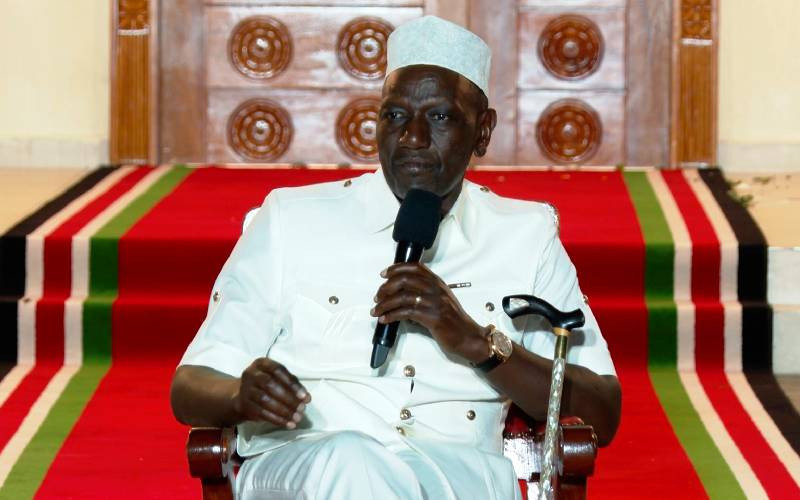
As President William Ruto led Madaraka Day celebrations in Wajir, hundreds of kilometres from the capital, women, mothers of missing and murdered children, and human rights activists took to the streets of Nairobi CBD in protest over rising cases of violence against women and children.
The demonstrators, many clad in white, red and black, carrying placards bearing anti-femicide and anti-infanticide messages, walked from Jevanjee Garden to the Kimathi and Kenyatta Avenue intersection, where they sat for a moment protesting the rising cases of killings of children and women and government inaction.
The women said Madaraka Day, which is meant to celebrate Kenya’s self-rule, had instead exposed the painful contradiction where women and children continue to live in fear with little protection from the State.
“We are here today, not to celebrate. We are here to grieve and also to call out and shout out the names of the children, the names of the women who we continue to lose because of the negligence of the government,” said Ruth Mumbi from Woman Collective Kenya.
The protests were driven by growing frustration over the government’s inaction as violence against women and children escalates.
They particularly faulted the government for the failure to implement recommendations from a presidential task force on Gender-Based Violence (GBV), including femicide, whose report was submitted months ago.

The task force, which brought together stakeholders from civil society, government, and survivors, was expected to provide a comprehensive roadmap to address rising cases of violence. Its recommendations reportedly included strengthening investigations and prosecutions, improving survivor support systems, fast-tracking GBV cases in court, and enhancing coordination among agencies.
However, protesters said little to nothing has been implemented.
“We were part of the coalition and the task force. We gave our views, but nothing is changing. As far as we know, none of those recommendations has been put into action. What we are seeing now is impunity where children are disappearing, women are being killed, even in broad daylight and no results,” said Mumbi.
“Reports show that eight women are killed every day, and between 17 and 23 children go missing daily. Some of these children are later found dead.”
They pointed to delayed justice as a key concern, noting that many cases remain stuck in court for years, leaving families without closure and perpetrators unpunished.
Among those present were mothers still searching for their missing children. Some shared painful accounts of waiting months for answers from authorities, often with little communication or progress.
Stay informed. Subscribe to our newsletter
“We have mothers here whose children have been missing for six months, and they still don’t know where they are. We have so many of these cases. We are asking the government: what are you doing about women and children?”
Mumbi said the protests stood in stark contrast to the symbolism of Madaraka Day.
“How can we celebrate Madaraka when the lives of women and children are at risk? Our women continue to die. Our children continue to be abducted, raped, and killed. Yet we have not seen intentional action from the government,” she posed.
She said the gathering served both as a protest and a memorial, with participants reading out names of victims and holding moments of silence.
“We are here to call out the names of those we have lost because of negligence and inaction,” she said.
The protesters emphasised that women are central to the country’s economy and social fabric, yet remain disproportionately vulnerable to violence.
“Women are the backbone of this country. They work, they care, they build families and communities. They deserve protection,” one protester said.
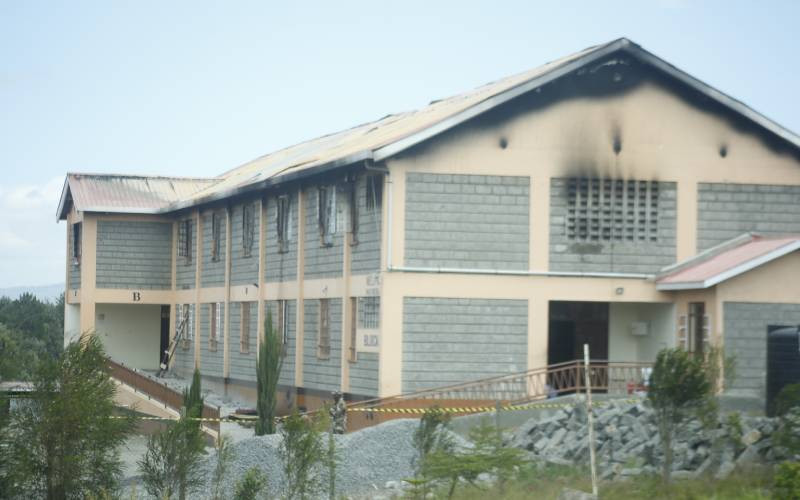
The demonstrations also paid tribute to victims of recent tragedies, including school-going girls who lost their lives in a dormitory fire at Utumishi Girls Academy, with activists linking such incidents to broader systemic failures in governance and accountability.
“Everything is pointing to systemic problems; disappearances, murders, negligence, and silence from those in power. That is why we are on the streets today to mourn, but also to demand change.”
Wambui Kimani of the Zamara Foundation said the protests reflected a breaking point for many women who have spent years advocating for reforms.
“The government has been on the backbench, watching women and children die. We gave recommendations through the task force. Why are they not being implemented? Why are cases still dragging in court?”
Kimani questioned the apparent silence from top leadership even as cases continue to rise.
“We have not heard strong statements or seen decisive action. Yet women continue to die. Children continue to disappear. What message does that send?” she posed.
She described the mood among protesters as one of anger, exhaustion, and grief.
“We are angry. We are tired. We are mourning. It cannot be business as usual. We cannot live in a country where women and children are constantly in fear, and the government that is supposed to protect them does nothing.”
Beyond government accountability, activists also called for broader societal change, urging men to take responsibility in addressing violence against women.
“When we say stop killing women, we are not speaking abstractly. It is men who are killing women. There is a need to build emotional awareness and responsibility, so that conflict does not end in violence,” she said.
The demonstration also drew children. Seven-year-old Alrika Maru said, “I want to say sorry to the families who lost their children,” she said. “We do not want to die. We want a safe environment to learn, play, and grow.”
Former president of the Law Society of Kenya, Faith Odhiambo, said, “Enough is enough! Stand for our daughters, sisters, mothers, friends, and colleagues whose lives have been cut short by violence that should never have found a home among us. A nation that cannot protect its women cannot claim to be at peace.”