




Audio By Vocalize

What began as a nationwide matatu strike over soaring fuel prices on Monday spiralled into deadly protests. Widespread destruction and violent confrontations with police across several parts of the country, leaving multiple people dead, scores injured and transport paralysed.
By evening, anger over the rising cost of living had transformed major towns and highways into battle zones marked by burning tyres, teargas, gunfire and barricaded roads.
In Kiambu Town, two people were shot during fierce clashes between police and demonstrators protesting the fuel price hikes. One of the victims died while receiving treatment at Kiambu Level 5 Hospital, while another remained admitted with serious injuries.
Residents accused security officers of using excessive force as police fired teargas and live bullets to disperse crowds. Businesses, banks and petrol stations shut down as sections of Kiambu turned into tense no-go zones.
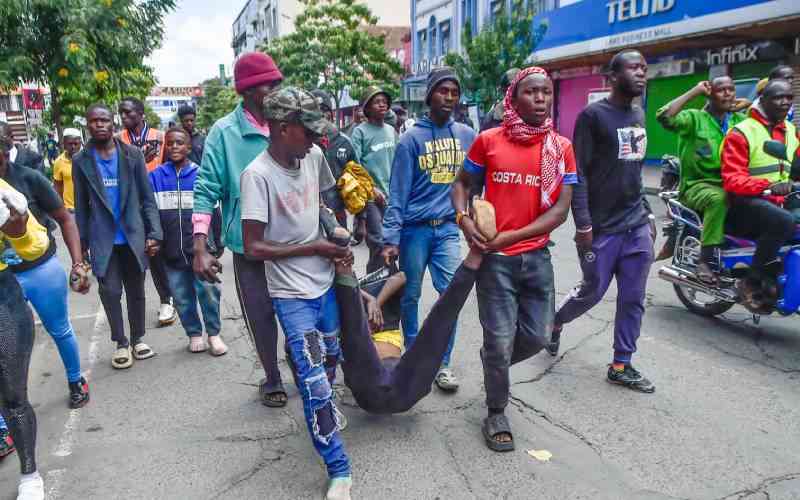
Similar tragedy unfolded in Kakamega County, where two young men were allegedly shot dead during protests. Angry demonstrators carried one of the bodies through the streets, accusing police of targeting protesters.
Witnesses claimed the victims sustained gunshot wounds to the head and back during running battles with officers.
In Nyahururu, one person was shot dead and another seriously injured after protesters blocked roads with bonfires from as early as 7am. Demonstrators barricaded sections of the Nyahururu-Nairobi highway as anti-riot police engaged them in prolonged confrontations.

By afternoon, chaos had spread to Ol Kalou where police lobbed teargas canisters to disperse protesters who continued engaging officers in running battles.
In Nakuru City, outrage erupted after a protester was reportedly knocked down and run over by a police Land Cruiser during demonstrations over the rising cost of fuel and living. Fellow protesters carried the victim’s body through the streets as clashes intensified along the Nakuru-Nairobi Highway at Free Area.
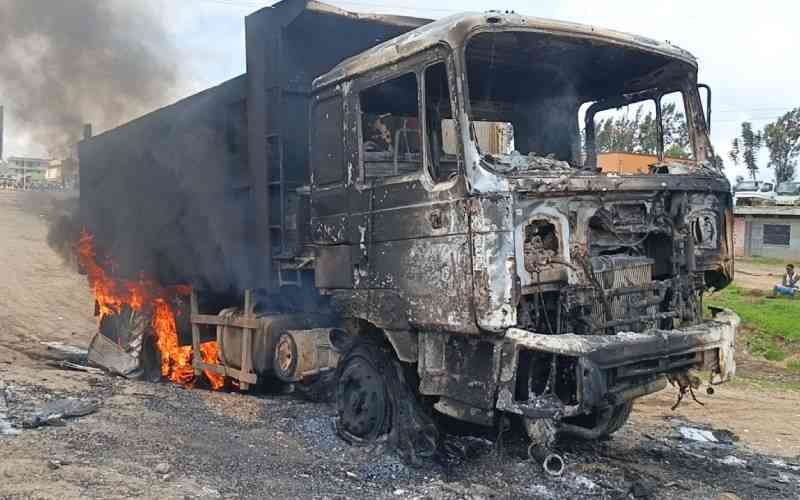
Elsewhere in Naivasha, protesters set ablaze a truck belonging to a Chinese contractor involved in the construction of the Rironi-Mau Summit expressway, completely paralysing transport along the Nairobi-Nakuru highway.
In Narok town, teargas, police sirens and gunshots filled the air as demonstrators barricaded roads using burning tyres, boulders and tree trunks. Businesses remained shut as police attempted to restore order.

Parts of Nairobi also descended into tension. Along Waiyaki Way and within the Central Business District, police lobbed teargas to disperse youths attempting to join demonstrations. In Uthiru, protesters blocked roads with stones and damaged vehicles, forcing motorists to turn back.
On Outering Road near Pipeline stage, one side of the highway was occupied by protesters while heavily armed police officers maintained vigil on the other side.
Public transport remained paralysed in many towns including Nyeri, Embu, Kitengela, Eldoret, Machakos, Marsabit and Isiolo.
In Kitengela, protesters barricaded the Nairobi-Namanga highway, while in Embu, roads were blocked with burning tyres and businesses remained closed throughout the day.
Stay informed. Subscribe to our newsletter

In Isiolo, youths blocked the Isiolo-Moyale highway and engaged police in running battles amid tensions linked to both fuel protests and the disappearance of a boda boda rider identified as George Gitonga.
Police also heightened patrols in Machakos, Nandi and other counties to prevent looting and vandalism.
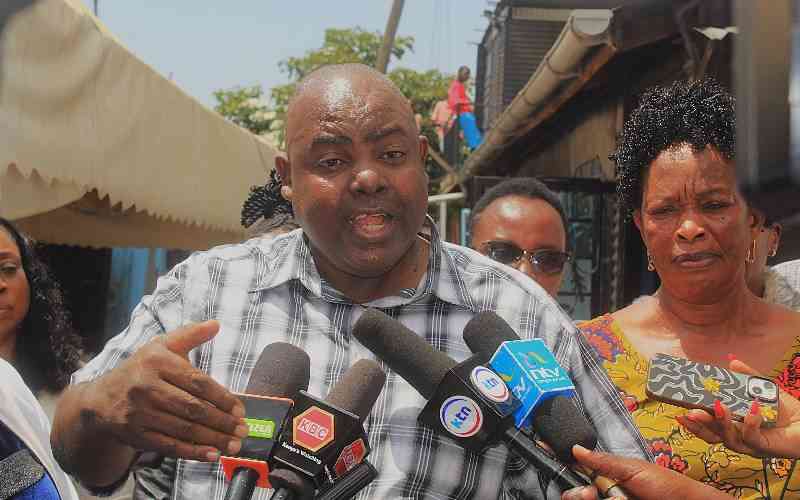
Nairobi Regional Police Commander Issa Mahmoud termed the protests illegal, saying authorities had not been formally notified and intelligence reports indicated that criminal gangs intended to infiltrate demonstrations.
“We had intelligence that goons armed with crude weapons were planning to infiltrate and cause mayhem,” Mahmoud said, adding that six police officers had been injured during the unrest.
The transport shutdown left thousands stranded nationwide. In Nairobi, commuters walked for kilometres after matatu operators parked vehicles in protest over fuel prices and tax levies. School children, workers and traders crowded bus stops hoping for transport while boda boda riders exploited the shortage by hiking fares.
At Kakamega Primary School and several institutions in Nairobi, parents rushed to pick up children early due to fears over security.

Some protesters also turned hostile toward journalists covering the unrest. “Sai hatutambui watu wa press,” one group warned reporters amid the escalating chaos.
As night fell, bonfires continued burning on highways across the country, painting a grim picture of a nation grappling with economic frustration, public anger and a rapidly deteriorating security situation.