



Audio By Vocalize

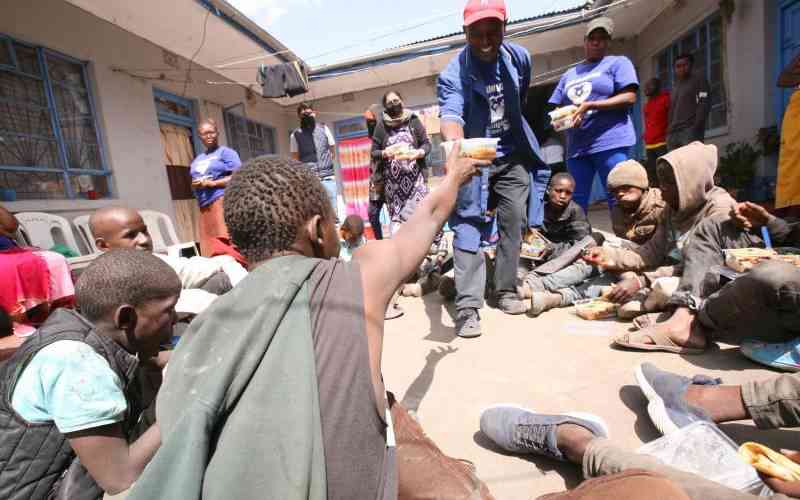
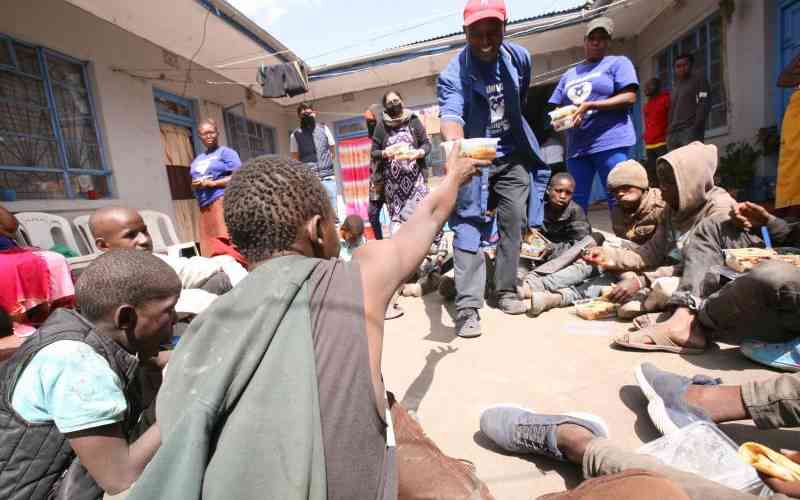
Civil society have raised concerns over the growing crisis of homelessness across the country as harsh economic situation bites.
According to Eric Mukoya, Executive Director for Undugu, a non-governmental organization dealing with street families there are about 500, 000 homeless people in the streets.
With devolution, Mukoya said the street families are migrating to the upcoming towns in the counties.
“We are talking about homelessness in Nairobi and big cities we are now having homelessness in new towns created by devolution. There are homeless people in Lodwar there are homeless people in Kitale,” said Mukoya in a stakeholder meeting on the state of homelessness in the country.
He disputed the figures issued by the government stating that there are about 46,000 homeless people.
The 2018 report indicated that Nairobi has the highest number of streets families wih 15, 337 followed by Mombasa with 7, 529, Kisumu 2,746, Uasin Gishu 2,147 and 2005 in Nakuru.
“Data gap is a major problem in the country and begs the question on how are we doing things without knowledge of the situation and evidence,” Mukoya posed.
While the scale of the crisis continues to grow, he said Kenya is responding without a clear picture of the problem it faces adding that official data on homelessness is outdated, fragmented, and in some cases non-existent.
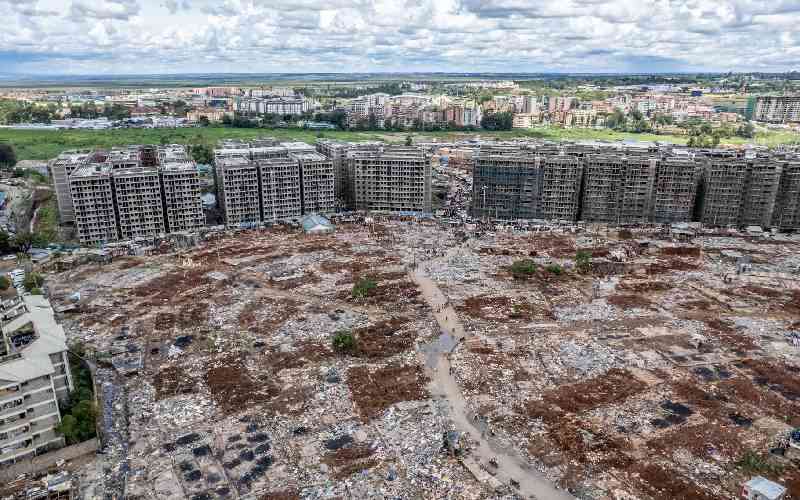
He warned that tens of thousands of street-connected people particularly in Nairobi have been displaced from central areas through harassment and enforcement, only to resurface in residential estates and poorly governed urban margins.
“It could be more when you look at the emerging towns, the evolution of the towns and the creating industries in towns,” he added.
Globally, there are approximately 320 million people who are homeless and about 2.8 billion people who have inadequate housing.
Caroli Omondi, MP Suba South, stated that Kenyans are being pushed out of safe and stable housing as the cost of living rises far beyond what low and informal incomes can sustain.
“Homelessness is largely a function of affordability and low incomes. Unless people are afforded good jobs, economic opportunities to engage in productive activities, within urban areas or rural areas there will always be homelessness or inadequate housing,” said Omondi.
The MP explained that homelessness is a human rights issue adding that Article 43 of the Constitutions which recognises access to adequate housing and sanitation as a fundamental right tied to human dignity.
“The UN declaration of human rights, as well as the international covenant on socio-economic and cultural rights, recognizes this as a matter of human rights,” said Omondi.
Stay informed. Subscribe to our newsletter
The MP called for establishment of accurate knowledge bank on homelessness crisis in the country so as to address the cause.
Busia Senator Okiya Omtatah decried that even the affordable housing project may not entirely solve the crisis of homelessness.
“We had had situation where fordable houses were built in Lang’ata for low income earners but they rented them out because they cannot afford to live in such houses,” said Omtatah.
“These people will have to pay for electricity, water and other utilities in these houses and they cannot afford. The solution is enabling people to have money6 in their pockets if we want to give them dignified living,” he added.
The Senator added that harsh economic conditions have pushed many Kenyans into undignified living conditions, accusing the government of misplaced spending priorities.