




Audio By Vocalize

Ramadhan, the ninth month of the Islamic lunar calendar, stands as a beacon of spiritual renewal, discipline, and reflection for Muslims worldwide. It is more than just fasting from dawn to sunset, it is a holistic journey designed to cultivate virtues, strengthen faith, and foster community bonds.
As Sheikh Rishad Rajab of Masjid Jibran in Mombasa reminds us; “Ramadhan is a time when Allah opens the doors of mercy and answers the supplications of His servants.” This sacred month is structured around ten core objectives that help believers transform their fasting into a path of self-purification and spiritual elevation.
The first objective is practicing self-control. “Fasting is a training ground for the spirit, it teaches us to discipline our desires and urges,” says Sheikh Muhdhar Khitami, a scholar.
https://www.youtube.com/watch?v=RJ6zDL40NaM
When Muslims abstain from food, drink, and other permissible pleasures, they develop resilience against temptation. The Quran underscores this, stating; “O you who have believed, decreed upon you is fasting as it was decreed upon those before you that you may become righteous”
“Self-control is the foundation of piety. When we master our desires during Ramadhan, we are better equipped to resist sin outside of it,” adds Sheikh Rishad.
Controlling anger and perfecting manners forms another vital aspect. Sheikh Rishad reminds us; “Ramadhan is a month of patience and humility. When provoked, respond with calmness and remind yourself, ‘I am fasting.’”
The Prophet Muhammad (peace be upon him) said; “Fasting is a shield, it shields you from the Fire and from sins.” According to Sheikh Rishad, this teaches believers to respond with gentle patience, cultivating humility and kindness.
Generosity is also central. The Quran enjoins believers: “The example of those who spend their wealth in the way of Allah is like a seed producing seven spikes.” This holy month encourages Muslims to support their families, assist community projects, and extend aid to those in need, embodying the prophetic tradition of giving.
Sheikh Muhdhar states: “The Prophet Muhammad was the most generous of people, especially during Ramadhan. Giving is a means of purifying our wealth and souls.”
Perhaps the most important objective is connecting with the Quran. Sheikh Rishad highlights the importance of the Quran saying; “Ramadhan is the month of the Quran. Engage with its recitation, reflection, and understanding.” The Quran itself declares: “Indeed, this Quran guides to that which is most suitable and gives good tidings to the believers who do righteous deeds that they will have a great reward.”
Sheikh Muhdhar also makes note of the importance of supplication. “Make dua abundantly, especially before Iftar. It is a time when Allah’s mercy is near, and your supplications are accepted.” The Prophet said: “The supplication of a fasting person is not rejected.”
The night prayers, commonly referred to as Qiyam, including Taraweeh and Tahajjud, are essential components. “Night prayers elevate the soul and bring us closer to Allah. They are a means of seeking forgiveness and spiritual elevation,” states Sheikh Rishad. The Prophet Muhammad said, “Whoever prays Qiyam during Ramadhan out of faith and seeking reward will have his past sins forgiven.”
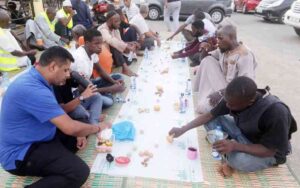
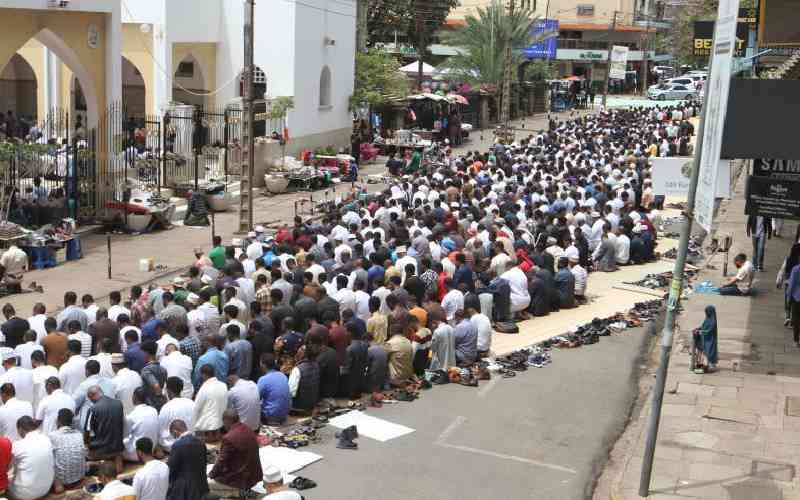
Communal worship and shared Iftar strengthen the bond of brotherhood and embodying the unity Ramadhan inspires. Sheikh Muhdhar emphasizes: “The bonds of brotherhood are strengthened when we pray together and break our fast as one community. This unity reflects the true spirit of Islam.” Indeed, the Prophet said: “The believers in their mutual kindness, compassion, and sympathy are just like one body; when one part aches, the whole body responds with sleeplessness and fever.”
Stay informed. Subscribe to our newsletter
Attaching the heart to the mosque is another vital goal. Scholars encourage increased attendance at Isha and Fajr prayers, “The mosque should be the heart of our Ramadan experience, a place of worship and reflection.”
Attaining Taqwa or God-consciousness, should be the main objective of fasting. Like Sheikh Muhdhar says, the holy month “is a training to develop Taqwa awareness of Allah in every moment. When we fast with sincerity, we become more mindful of His commands and prohibitions.” The Quran describes Taqwa as a shield, protecting believers from sin. Ramadhan’s discipline aims to elevate this consciousness, transforming daily life into acts of worship.
This is also a month of mercy and forgiveness. We should seek Allah’s pardon sincerely and strive to be among those admitted into Jannah. The Prophet said: “Whoever fasts during Ramadhan out of faith and seeking reward from Allah will have his past sins forgiven. The month provides the perfect opportunity for sincere repentance, moral renewal, and spiritual elevation.”
Scholars are in consensus that Ramadhan is a spiritual journey rooted in divine guidance. Its objectives ranging from self-control and moral refinement to community building and divine consciousness, are all designed to help Muslims transform their lives.
“Ramadhan is not just about abstaining from food; it is about nourishing the soul, strengthening faith, and fostering a society rooted in compassion and righteousness,” says Sheikh Rishad. Muslims should aspire to attain inspiration from the holy month and emerge spiritually purified, morally upright, and closer to Allah.