

Audio By Vocalize

More than 2.27 million children will receive direct water, sanitation and hygiene services across 18 counties by 2030 under a new development plan.
The initiative, titled ‘Mapping the Blue Thread’, will deploy solar-powered systems and water harvesting technologies in arid and semi-arid regions to ensure water systems remain functional during climate shocks.
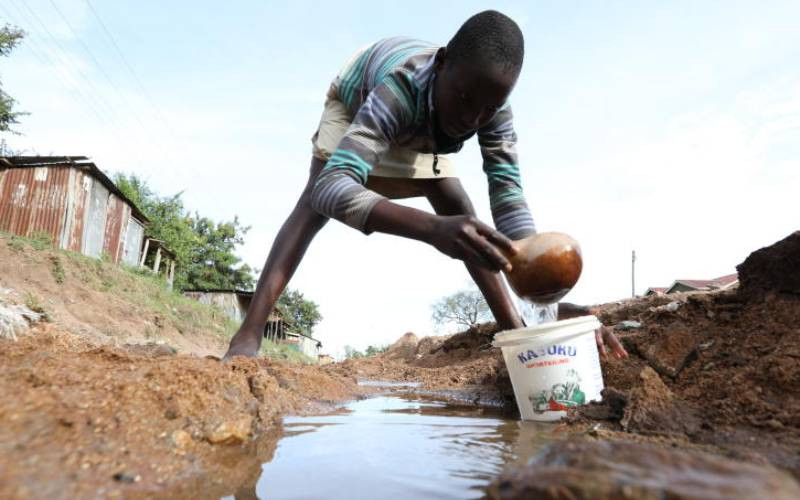
Only 59 per cent of Kenyans have access to safe drinking water, whilst 9.9 million people drink directly from contaminated surface water sources, according to the United Nations Children’s Fund (UNICEF) Kenya.
The plan targets over 90 per cent functionality of water systems through digital monitoring and professionalised maintenance, moving beyond traditional infrastructure delivery.
More than 15 water, sanitation and hygiene business centres will be established countrywide to provide commercial sanitation products and services whilst creating local jobs.
World Vision Kenya unveiled the 2026-2030 national strategy on Monday, setting a broader goal to reach 13.3 million children across 33 counties through direct programming, partnerships and advocacy.
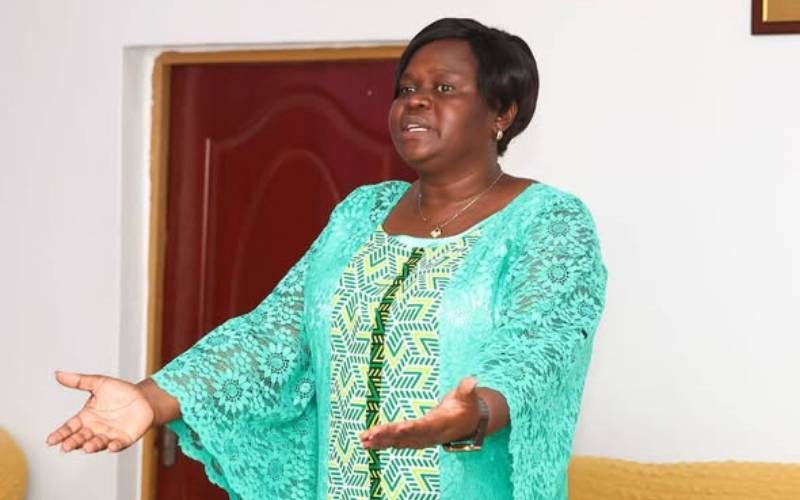
“Our ambition is not just to deliver services, but to strengthen systems and empower communities so that progress is sustainable. When a child turns on a tap in 2030, the water should be there, it should be safe, and it should last,” said Gilbert Kamanga, national director, World Vision Kenya.
Only 29 per cent of Kenyans have access to basic sanitation, and just 25 per cent have handwashing facilities with soap and water at home, UNICEF data shows.
The strategy builds on the organisation’s 2021-2025 programme, which invested $432 million and reached more than 4.5 million people across 37 counties, including 2.6 million children directly.
During that period, 1.27 million children participated in initiatives to end violence against children, whilst reported violence against children dropped from 42 per cent to 28 per cent.
The organisation will prioritise 3.04 million children living in extreme poverty and 343,181 children with disabilities over the next five years.
“With an ambitious goal to reach 13.3 million children across 33 countries, prioritising those living in extreme poverty and children with disabilities, this strategy is about shifting from short-term interventions to lasting systems that protect children and strengthen communities,” said David Githanga, the organisation’s board chairperson.
Implementation will be delivered through 43 area programmes countrywide, working with county governments and local partners.
Despite Kenya’s economic growth, 47 per cent of children suffer from multidimensional poverty, with 1.1 million children malnourished and 2.8 million out of school.
Stay informed. Subscribe to our newsletter
Recurrent droughts and floods displace 300,000 children annually.