



Audio By Vocalize

As many Kenyan families grapple with anguish over the fate of their kin recruited to the frontlines of Russia’s war against Ukraine, a growing cloud of uncertainty hangs over the State’s commitment to protect its citizens trapped in the perilous conflict.
Despite repeated warnings from senior government officials about rogue agents and unsafe jobs abroad that they are supposed to protect Kenyans against, some families continue to agonise in despair, with little more than official assurances to cling to.
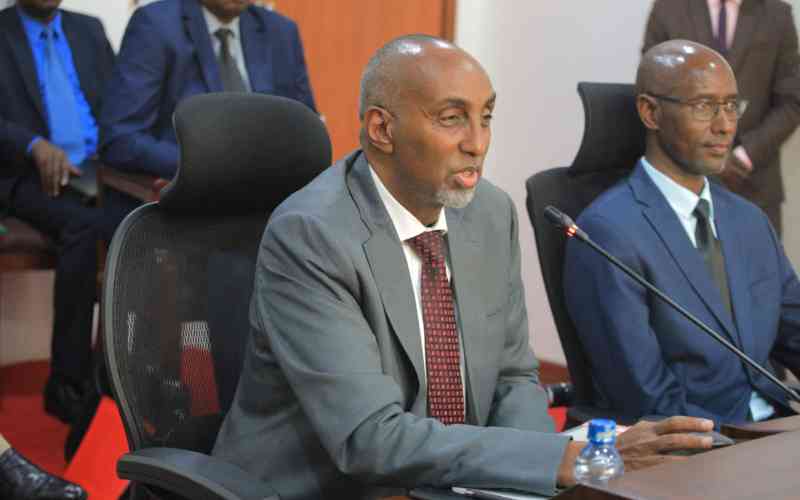
Prime Cabinet Secretary Musalia Mudavadi on Saturday warned those seeking jobs abroad to be keen and verify the opportunities through government official labour migration channels to avoid falling victim to rogue agents and trafficking networks.
“Let us be cautious before making any step on the offers presented to us. Youth listen to the warning messages from the Ministry of Foreign and Diaspora Affairs and those of Labour and Social Protection. Verify every step when engaging agents for these jobs.” Mudavadi said on Saturday, 7, at a funeral in Musembe in Lugari, Kakamega County.
https://www.youtube.com/watch?v=R3hIewTl3mc
His sentiments, according to the affected families, which in total, according to Nairobi-based coordinator Peter Kamau, are turning out to be 31 so far, appeared to draw fresh concerns, over rising cases of Kenyan youth being lured into joining the Russian army, instead of addressing their plight- rescuing their kin from the deadly trenches.
While making the remarks during a burial in Lugari, 14 families out of a total of 31 from across the country were gathered at Jevanjee Gardens in Nairobi, to “pray over the fate of their kin,” whom they have not heard from for months.
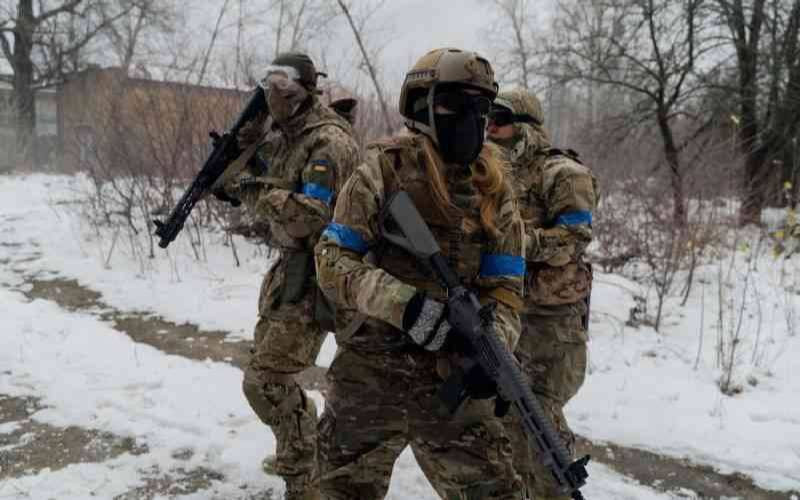
They narrated harrowing accounts of how their relatives were duped into the conflict last year in the guise of lucrative jobs, only to find themselves in the frontline of the war, unfortunately, even without proper training.
“He told us the training would take two weeks. We asked him how that was possible when he had never even held a gun,” Esther Njenga whose nephew, John Njenga Wanjiru, left Kenya in October, 2025, told reporters last Saturday.
“He just said: “Pray for me.”
Some of the jobs promised, according to the families, include, among others, driver, security, and hospitality.
Esther said they last heard from him on November 24. “He told us he was being taken to the front line and that there would be no network. He said they were not allowed to carry phones and asked us to pray for him.”
“We don’t know if he is alive or dead. That uncertainty is killing us,” she said. “We just want to know the truth.”
Another affected family member, Peter Kamau Gitau, shared a similar ordeal regarding his younger brother, Gerard Gitau, who left Kenya on October 4 last year.
Stay informed. Subscribe to our newsletter
Communication between them continued until November 14, when his brother revealed he had been deployed to ferry food supplies to soldiers on the front line.
“Without doubt, my brother is involved in the Russian military,” said Kamau, who hails from Gatundu, Kiambu County. “Most likely as a fighter. But we don’t know whether he is alive or dead.”
The accounts seem to increasingly widen the gap between government rhetoric and the lived reality of these families, which is becoming harder to ignore, months after their sons and brothers disappeared under dubious recruitment schemes linked to Russia’s war with Ukraine.
At the same time, while the government insists it is “doing all it can” to rescue distressed Kenyans abroad, relatives of the victims say their pleas have been met with silence, bureaucracy, and perpetual promises.
“We have visited the Ministry of Foreign Affairs several times to no avail. We have just been told to wait. For how long will we wait? asked Kamau.
The long wait, reports indicate, also involves those who have been informed of the death of their kin but have yet to receive the bodies.
So far, Mudavadi said the government has rescued 27 Kenyans trapped in the Russia-Ukraine war. However, accounts from the affected families suggest that the number could be in the hundreds.
“According to my son, more than 500 Kenyans are fighting in the frontline for Russia in its war with Ukraine,” said Peter Kariuki, a father to one of the victims who escaped the battlefield injured.
“Let the government come out clearly. There is fear that they will be victimised if they speak,” Kariuki urged the State.
For many, embassies have offered no concrete updates, no proof of life, and no timelines—only vague acknowledgements that the cases are “under investigation.”
This prolonged quiet, the families say, has fueled their questions about whether the State was unprepared, unwilling, or overwhelmed when its citizens crossed borders under illegal and dangerous arrangements.
Human rights defenders and the opposition have called out the government even as they demand answers over the illegal recruitment.
“The Kenyan Embassy in Russia, in conjunction with the Russian Embassy in Kenya, must be compelled to release verified statistics on the number of Kenyans who have travelled to Russia in the last six months to one year to establish the scale of the crisis,” Hussein Khalid, Vocal Africa’s Chief Executive, said last week.
“Families are grieving, anxious, and desperate for answers. Some Kenyans have lost their lives, and others remain stranded in hostile conditions with no access to help. This situation exposes a serious failure of protection and oversight by the government,” he added.