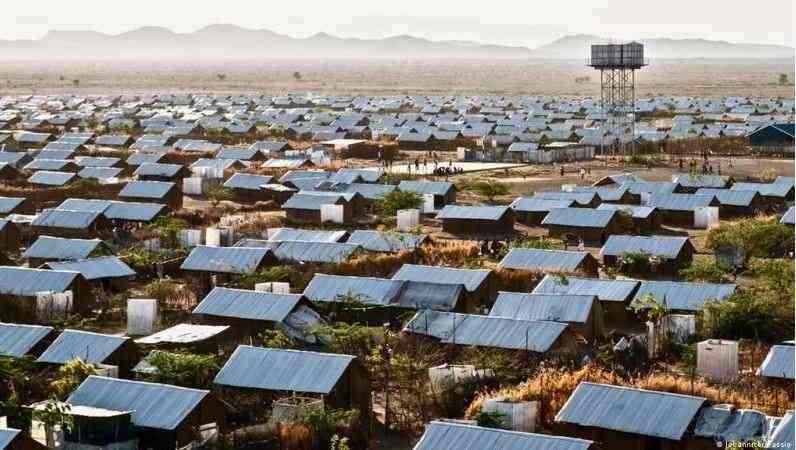



A prolonged drought is tightening its grip on several parts of Kenya, forcing families in arid and semi-arid areas to flee in search of water and pasture for their livestock.
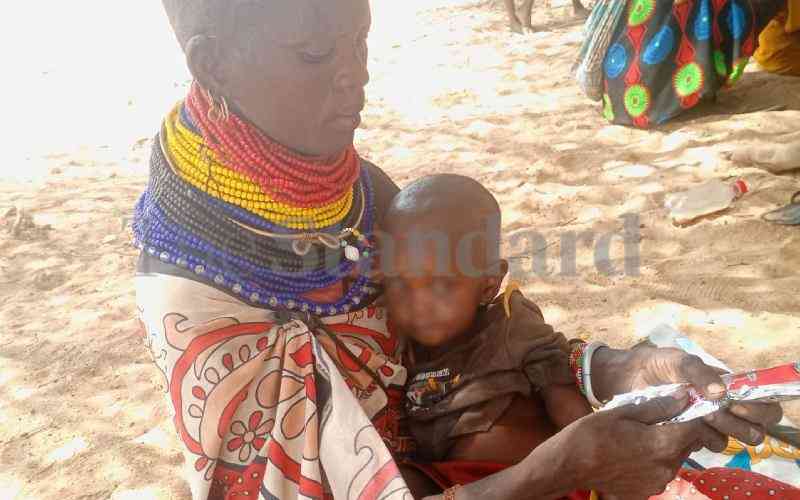
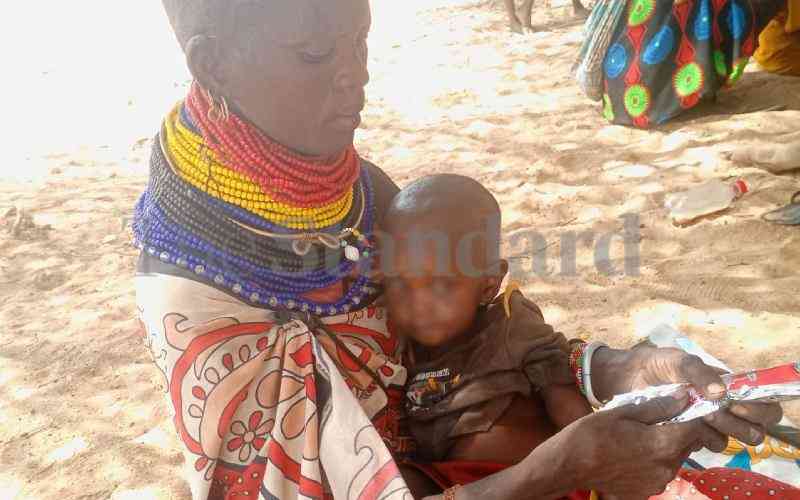
In counties such as Isiolo and Turkana, households have been displaced as livestock die, and food insecurity deepens, with children among the most vulnerable.
The National Drought Management Authority (NDMA) says 23 counties have been adversely affected, warning that conditions could deteriorate further in the coming weeks.
The hardest-hit counties include Turkana, Mandera, Wajir, Garissa, Isiolo, Marsabit, Tana River, Kilifi, Kwale, and Kajiado. Others affected are Samburu, Taita Taveta, Tharaka Nithi, Laikipia, Kitui, Baringo, Makueni, Narok, Nyeri, Embu, Meru, Lamu, and West Pokot.
Kenya Red Cross raises alarm over Turkana drought as 75% of population affected, Loima malnutrition rate hits 54%
Video by Hamza Yusuf pic.twitter.com/tZZeu1KT2N
— The Standard Digital (@StandardKenya) February 7, 2026
In Turkana County, some of the worst-affected areas are Lomeyan Location in Loima Sub-County, as well as Akatorongot, Nalukowoi, Lokipaka, Ngipeikaal, Abulon, Etete and Keenyangaluk.
Earlier this year, the Famine Early Warning Systems Network (FEWS NET) warned that the January–March lean season would be “particularly harsh” after the failure of the October–December rains and prolonged high temperatures.
This month, the Kenya Meteorological Department forecast continued heat in northern and eastern regions, with towns such as Lodwar, Mandera and Wajir recording temperatures of up to 38°C. Only scattered rainfall is expected in most arid counties.
Kenya MET acting director, Edward Muriuki, said average rainfall would not be sufficient to reverse months of deficits. “These areas require far more than average rainfall to recover,” he said.
The Standard is on the ground documenting the human impact of the drought. Below is a photo compilation illustrating the severity of the crisis.


Stay informed. Subscribe to our newsletter