




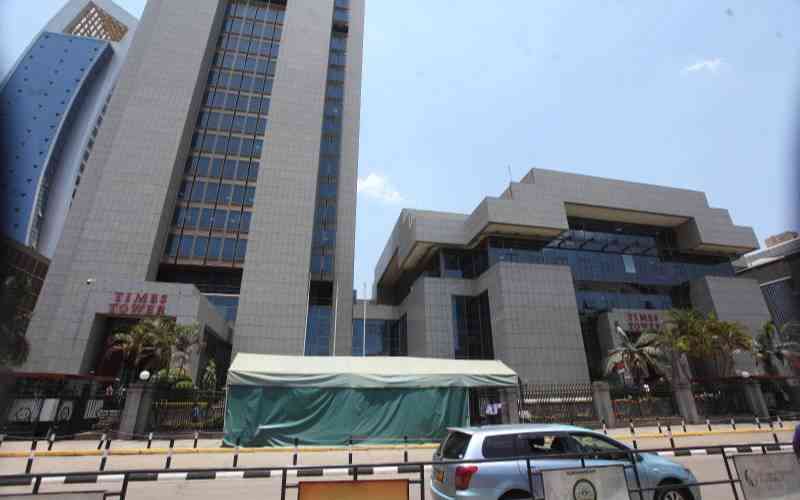
A move to change the Kenya Revenue Authority (KRA’s) name has kicked off through meetings with taxpayers.
The proposal mulled in 2022 seeks to have KRA’s name changed to Kenya Revenue Service (KRS) in what the authority hopes would herald a change of culture.
KRA chairman Ndiritu Muriithi said in Eldoret on Thursday that the proposed rebrand to KRS is part of a wider scheme to transform the taxman from an authority to a service.
Under the transformation, Muriithi said, the taxman will collect revenue through a diplomatic approach.
He said the change of the name is a symbol of a change in the culture of service delivery to Kenyan taxpayers who have paid taxes out of fear of enforcement measures instead of contributing because of the obligation to build their country.
“The change of name will be done towards the end of the culture change process,” Muriithi stated.
He said the long process of changing service delivery culture and mindset in tax collection will culminate in the proposed change of name.
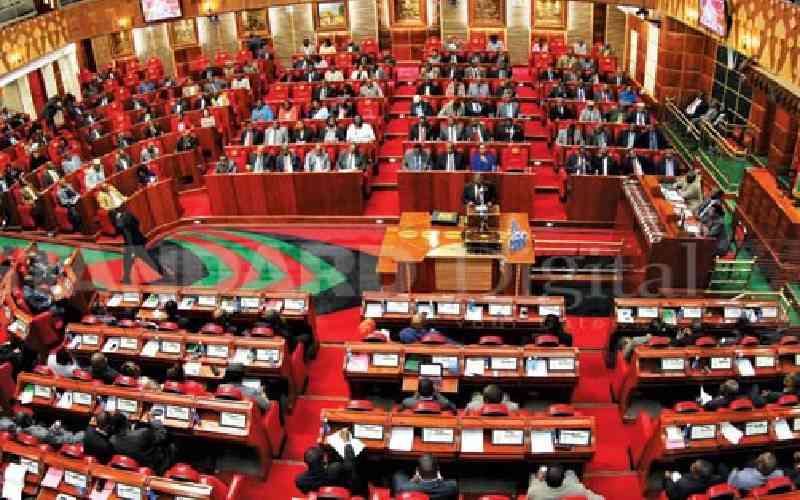
Muriithi said a parliamentary approval will be sought after nationwide forums with taxpayers dubbed the citizens’ assembly.
“It is not about changing names. It is about the change of culture and processes. The customers must experience the change before the shift to KRS.
He added: “The citizens’ assembly is part of the steps towards a culture change ahead of the change of name. We will be looking to parliament for approvals because the name is contained in the KRA Act. We are currently undertaking our nationwide engagement with taxpayers.”
According to Muriithi, a new effort by KRA to engage all our customers and to listen to them will result in a change of culture among the authority’s staff and taxpayers.
He said that at the end of the process, KRA will be a customer-centred service provider.
“We want to improve the processes together with our customers. On the improvement of technology and processes, we want to make it easier for Kenyans to meet their tax obligations. We welcome ideas on that continued improvement,” the KRA chairman said.
Commissioner for Micro and Small taxpayers, George Obel, said KRA was putting together tools to deliver services with a greater measure of efficiency.
Stay informed. Subscribe to our newsletter
Through the new system, field officers can be assigned duties through automated systems, Obel said.
According to KRA’s Commissioner for shared services, Nancy Ngetich, several inefficiencies have been raised by taxpayers, raising questions over the relationship between the authority and taxpayers.
“They (taxpayers) don’t get KRA staff when they need them, and the flow of information from taxpayers to KRA for addressing is slow and inefficient,” she said.
She added, “We are coming up with a workflow system which will support the teams in the field and enable management to have visibility of the location where staffers are at a particular time.”
The Proposal to rebrand KRA was first mulled by President William Ruto in April 2022.
Ruto, who was at the time the Deputy President, said the move would improve KRA’s public image, ensure tax compliance, and maintain a clear focus on taxpayers’ needs.
The proposal is happening at a time when KRA is locked in frequent legal battles and disputes with innumerable taxpayers, crippling tax collection efforts.