



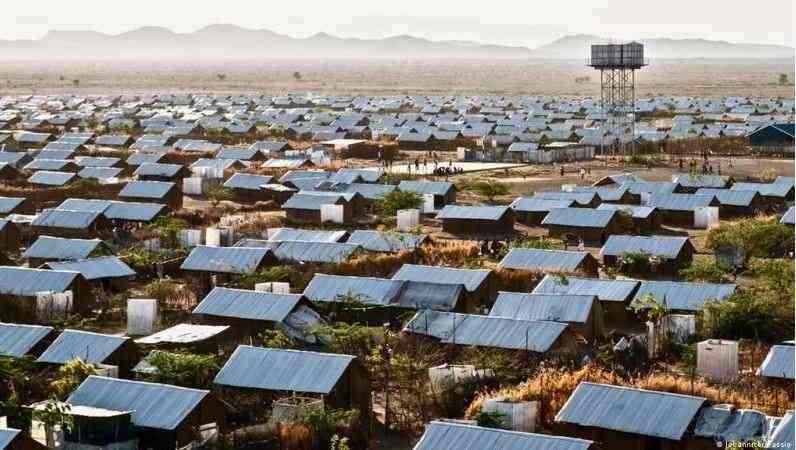
Kenya has called for intensified international support to ease pressure on refugee-hosting countries, warning that declining funding and rising displacement are placing the Horn of Africa under severe strain.
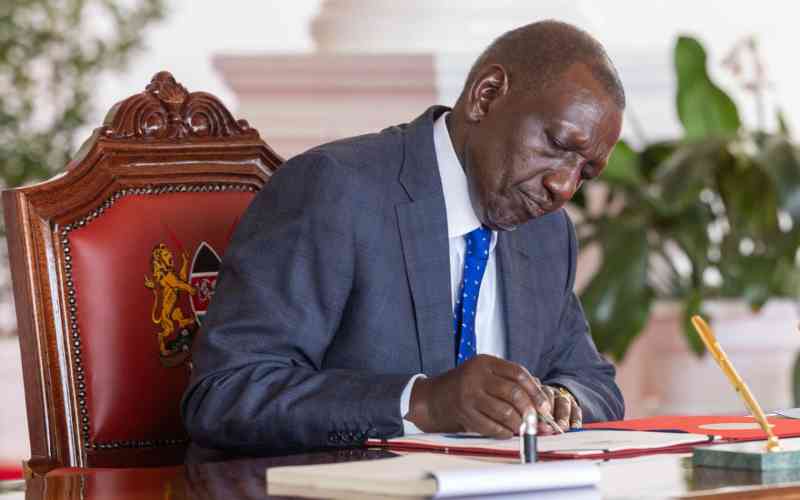
Interior Cabinet Secretary Kipchumba Murkomen said the region is confronting levels of forced displacement never seen before, with more than 122 million people uprooted globally and about six million from IGAD member states.
He was speaking during the official opening of the IGAD Support Platform stock-taking meeting for the Global Compact on Refugees (GCR) in Nairobi,
“The speed and scale of forced displacement are outpacing the solutions available. Many displaced populations remain in a prolonged state of limbo, with limited opportunities to rebuild their lives,” Murkomen told delegates at the forum.
Murkomen revealed that Kenya is now hosting over 860,000 refugees, saying the burden on host countries has grown heavier as humanitarian funding shrinks.
“Funding cuts to refugee operations have reached levels never seen before. Host communities continue to shoulder immense responsibilities even as national capacities are strained,” the CS stressed.
He urged member states and development partners to revisit the GCR’s core objectives, easing pressure on host countries, enhancing refugee self-reliance, expanding third-country solutions, and supporting safe and dignified return.
“These objectives remain as relevant today as they were seven years ago. We must be candid: the challenges before us remain substantial,” he said.
Murkomen pointed to progress made through IGAD, including the Nairobi Declaration on Durable Solutions for Somali Refugees, the Djibouti Declaration on Refugee Education and the Mombasa Declaration on Health.
Still, he stressed the need for honest assessment to know whether progress is being made.
“It is essential that we ask ourselves whether we are truly meeting the ambitious objectives we set for ourselves,” he said.
Highlighting Kenya’s efforts, Murkomen said the government’s new Shirika Plan, launched in March 2025, is designed to transform refugee camps into integrated settlements and support socio-economic inclusion.
“This Plan reflects Kenya’s belief that refugees should not merely be recipients of assistance but active contributors to national and regional development,” he noted.
He cautioned, however, that such reforms depend heavily on sustained external support.
“Progressive policies like the Shirika Plan are at risk if the burden continues to fall disproportionately on host countries. The future of our children is jeopardised if the international community does not act with urgency and purpose,” he said.
Stay informed. Subscribe to our newsletter
Murkomen appealed to partners to strengthen national systems in education, health, water, infrastructure and livelihoods.
“We urge all partners to provide predictable development financing, support climate-resilient interventions, enhance regional coordination on mobility and returns, and enable voluntary, safe and dignified repatriation where conditions allow,” he said.
Reaffirming Kenya’s commitment to refugee protection, he added, “We remain firmly committed to expanding the protection space, even as we call upon our partners to reciprocate through genuine burden sharing, not burden shifting.”
He further urged delegates to renew collective efforts.
“The challenges before us are complex, but with unity of purpose and strengthened regional mechanisms, we can deliver meaningful and lasting change,” he said.